Leitão da Bairrada
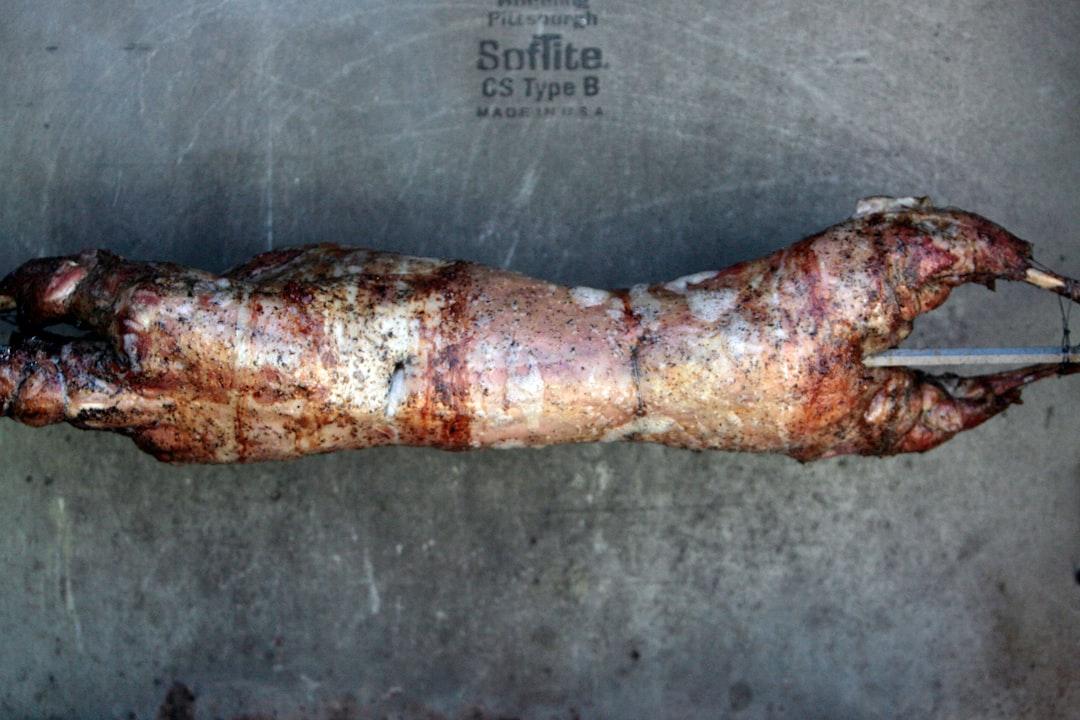
A showstopping Portuguese roasted suckling pig, rubbed with garlic, bay leaf, and white wine, then slow-roasted until the skin crackles and the meat falls from the bone. A celebration dish that looks impressive but relies on time and technique rather than fussy steps.
- Total time
- 300 min
- Servings
- 8
- Calories
- 520
- Protein
- 48g
Ingredients
- 1 pig (8-12 lbs) whole suckling pig, cleaned and prepared
- 12 cloves garlic cloves, peeled
- 6 leaves fresh bay leaves
- 4 sprigs fresh thyme sprigs
- 3 tablespoons fine sea salt
- 1 tablespoon freshly ground black pepper
- 1 cup dry white wine
- ¼ cup extra-virgin olive oil
- 1 cup whole milk
Instructions
- 1
Remove the suckling pig from the refrigerator 2 hours before cooking — letting it come to room temperature ensures even, gentle cooking throughout. Pat the skin completely dry inside and out with clean kitchen towels, paying special attention to crevices and the belly cavity. Dry skin is essential for achieving the crispy, crackling exterior that defines this dish.
- 2
Place the pig on a clean work surface, skin-side up. Pound 12 peeled garlic cloves and 6 fresh bay leaves together in a mortar and pestle until you have a rough paste. Add 3 tablespoons of fine sea salt, 1 tablespoon of freshly ground black pepper, and 4 fresh thyme sprigs — pound until fragrant and well combined, about 2 minutes.
- 3
Make small incisions across the pig's skin in a crosshatch pattern, cutting only through the skin layer — do not cut into the meat. Space the cuts about 1 inch apart. This allows the herb paste to penetrate and helps the skin crisp evenly.
- 4
Rub the herb paste all over the skin, working it into the incisions with your fingers. Rub the interior cavity generously as well. Let the pig sit at room temperature for 30 minutes while the flavors begin to infuse.
- 5
Position an oven rack in the lowest third of the oven and preheat to 325°F. Line a large roasting pan (at least 20 inches long) with aluminum foil for easy cleanup. Place a sturdy roasting rack in the pan and set the prepared suckling pig skin-side up on the rack.
- 6
Pour 1 cup of dry white wine into the bottom of the roasting pan around (not over) the pig. Drizzle the pig's skin with 0.25 cup of extra-virgin olive oil, rubbing it in to coat evenly. Place the pan in the preheated 325°F oven.
- 7
Roast for 3 to 3.5 hours, basting the pig with the pan juices every 45 minutes. After 2 hours, increase the oven temperature to 400°F to help the skin crisp and turn golden brown. The internal temperature at the thickest part of the thigh (without touching bone) should reach 160–165°F by the end of cooking.
- 8
About 30 minutes before the pig is done, pour 1 cup of whole milk over the skin. This traditional step adds richness and helps develop an even deeper golden-brown color. The milk will sizzle in the hot pan — that's the desired effect.
- 9
The pig is done when the skin is deep golden brown and crackles when you tap it with a wooden spoon. The meat should be tender enough to pull from the bones with minimal resistance. If the skin is not yet crispy enough, raise the temperature to 425°F for the final 10–15 minutes, watching carefully to prevent burning.
- 10
Remove the roasting pan from the oven and transfer the suckling pig to a large wooden cutting board or serving platter. Let it rest for 15 minutes — this allows residual heat to fully cook the interior and stabilizes the meat for carving.
- 11
While the pig rests, pour the pan drippings into a fine-mesh strainer set over a saucepan. Skim excess fat from the surface if desired (though some fat adds authentic richness). Warm the sauce gently over medium heat — it should be barely steaming when you serve it alongside the carved pork.
- 12
To carve, use a sharp 8-inch chef's knife and a meat fork. Slice through the crispy skin first in wide strips, then cut along the natural seams separating the legs, shoulders, and belly. Pull the meat from the bones in large, clean pieces. Arrange on a warm serving platter, skin-side up, with crackling pieces scattered across the top. Drizzle with the warm pan sauce and serve immediately, family-style.
Tools you’ll need
- instant-read meat thermometer
- mortar and pestle
- sharp 8-inch chef's knife
- large roasting pan (20+ inches)
- sturdy roasting rack
- kitchen towels
- meat fork
- fine-mesh strainer
- saucepan
- wooden cutting board or large serving platter
Cook smarter
Get matched recipes for what’s in your fridge
CookSnap is a free iOS app that finds real recipes from the ingredients you already have. No more grocery-list aspirations.