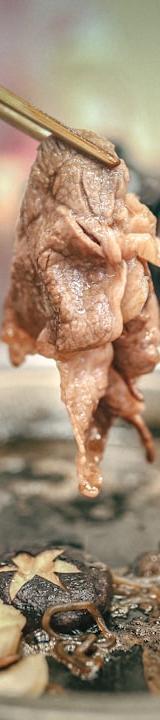
Bündnerfleisch
Air-dried cured beef from Switzerland's Grisons region with a deep, concentrated flavor and tender texture. A traditional charcuterie that requires patience but minimal hands-on work.
- Total time
- 45 min
- Servings
- 8
- Calories
- 280
- Protein
- 38g
Ingredients
- 2 lbs beef top round or brisket flat, trimmed of excess fat
- 3 tablespoons kosher salt
- ½ teaspoon pink curing salt (sodium nitrite)
- 1 tablespoon whole juniper berries, lightly crushed
- 1 teaspoon whole black peppercorns, coarsely cracked
- 3 sprigs fresh thyme sprigs
- 1 whole bay leaf
- 4 whole garlic cloves, peeled and smashed
- 1 teaspoon brown sugar
Instructions
- 1
Pat the 2 lbs beef top round completely dry with paper towels — removing all surface moisture helps the cure penetrate evenly and prevents bacterial growth. If the beef has a thick fat cap, trim it down to about 1/8-inch thickness using a sharp knife, leaving just enough for protection.
- 2
Combine 3 tablespoons kosher salt, 0.5 teaspoon pink curing salt, 1 tablespoon lightly crushed juniper berries, 1 teaspoon coarsely cracked black peppercorns, 1 teaspoon brown sugar, 3 fresh thyme sprigs, 1 bay leaf, and 4 smashed garlic cloves in a small bowl. Mix thoroughly so the salt, spices, and aromatics are evenly distributed.
- 3
Rub the cure mixture all over the beef, working it into every surface with your hands. Pay special attention to getting the cure into any crevices or corners — the salt draws out moisture and begins the curing process. You should have a thin, visible coating of cure covering the meat completely.
- 4
Place the cured beef in a gallon-sized zip-top bag, pressing out as much air as possible before sealing. The bag keeps the meat moist during curing and prevents the cure from drying out. Place the bag on a plate to catch any liquid that may leak.
- 5
Refrigerate the sealed bag for 10-12 days at 38-40°F. Flip the bag daily to ensure even curing. You will notice liquid accumulating in the bag — this is normal and expected as the salt extracts moisture. By day 10-12, the meat should feel firm throughout and slightly darker in color.
- 6
Remove the cured beef from the bag and rinse it thoroughly under cold running water, rubbing gently with your hands to remove the spice crust and excess salt. Pat completely dry with clean paper towels — any remaining moisture will interfere with even drying.
- 7
Hang the beef in a cool, humid space (50-55°F, 70-80% humidity ideally) for 3-4 weeks. A wine cooler, cool basement corner, or professional curing chamber works best. Loosely drape the meat in cheesecloth to protect it from dust while allowing air circulation. You should notice the exterior darkening and the meat becoming noticeably firmer and slightly tacky to the touch.
- 8
Check the meat every few days for any signs of surface mold — a light white mold is normal and even beneficial, but any green or pink mold means the batch has spoiled and must be discarded. Wipe away harmless white mold with a clean cloth dampened in white vinegar if desired.
- 9
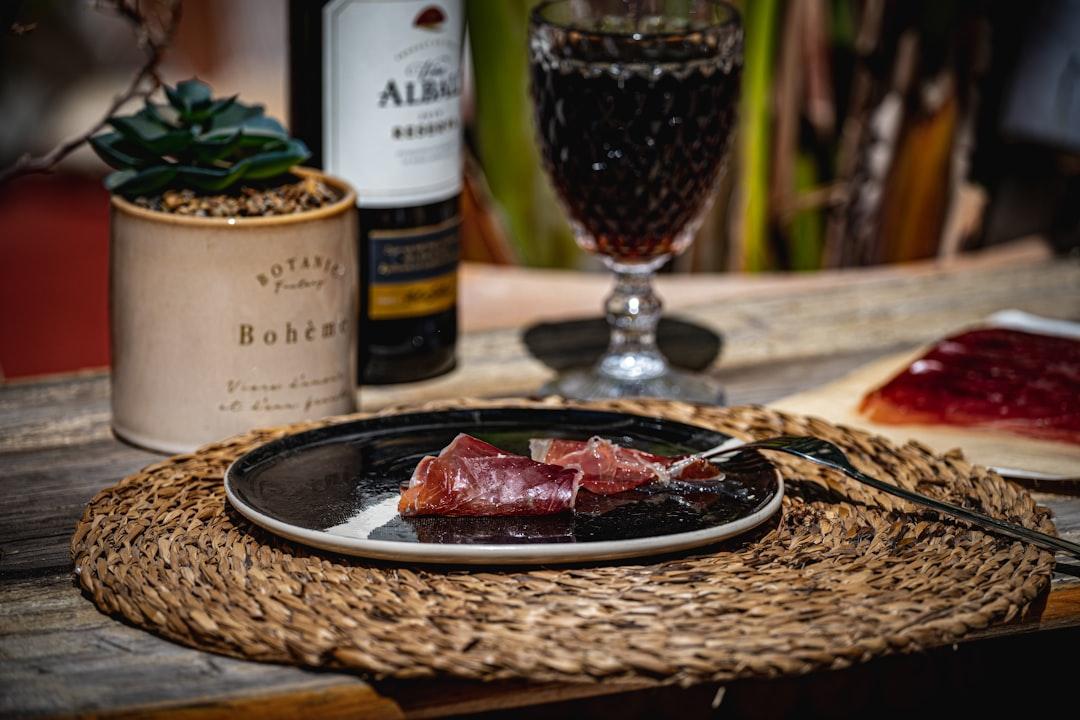
The bündnerfleisch is ready when it is noticeably firmer and has lost about 35-40% of its original weight. Slice it paper-thin (1/16-inch) using a sharp slicing knife or a meat slicer, always slicing against the grain. Serve at room temperature, fanned on a plate with dark bread, mustard, and cornichons.
Tools you’ll need
- sharp knife
- paper towels
- small mixing bowl
- gallon-sized zip-top bag
- plate
- refrigerator
- cheesecloth
- meat slicer or sharp slicing knife
- instant-read thermometer (optional, for monitoring cure temperature)
Cook smarter
Get matched recipes for what’s in your fridge
CookSnap is a free iOS app that finds real recipes from the ingredients you already have. No more grocery-list aspirations.