What Can I Make with Shrimp?
With shrimp, you can make everything from Crispy Ebi Senbei (homemade Japanese shrimp crackers) to bang-bang shrimp bites, classic cocktail appetizers, and rich cajun preparations. Shrimp's mild, sweet flavor and quick cooking time make it incredibly versatile for weeknight dinners, elegant appetizers, and everything in between.
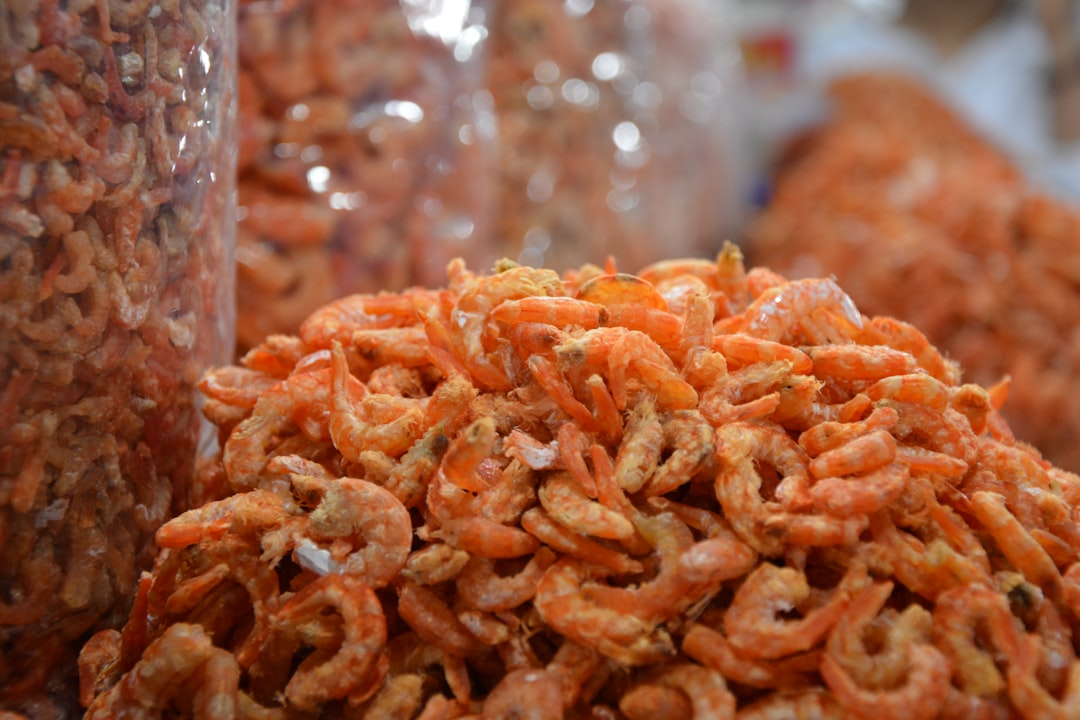 Top recipe
Crispy Ebi Senbei (Shrimp Crackers)
Homemade Japanese shrimp crackers with a delicate seafood flavor and irresistible crunch. Ready in minutes using just five pantry-friendly ingredients.
Ingredients
- •tapioca starch
- •shrimp powder or finely minced dried shrimp
- •water
- •salt
- •neutral oil for frying
Steps
- 1Combine tapioca starch, shrimp powder, water, and salt in a bowl until a sticky paste forms.
- 2Spoon paste onto plastic wrap, roll between sheets into a 1/8-inch-thin rectangle.
- 3Chill 5 minutes, then cut into 2-inch squares with a sharp knife or dough cutter.
- 4Heat oil in a deep skillet to 350°F. Test readiness: a drop of batter sizzles immediately.
- 5Fry crackers 2–3 minutes until golden and puffed, turning once. They expand as they cook.
- 6Remove with a slotted spoon and drain on paper towels. Season lightly with salt while hot.
- 7Serve within 2 hours for maximum crunch.
Why this works
Shrimp is one of the most forgiving proteins to cook with because it cooks in just 2-3 minutes and pairs beautifully with almost any flavor profile—from Asian-inspired garlic and ginger to cajun spices and classic lemon-butter sauces. Its delicate seafood sweetness shines whether you're crisping it into crackers, coating it in a creamy sauce, or serving it chilled with cocktail sauce. The quick cooking time means you can have dinner on the table faster than most proteins, making shrimp ideal for busy weeknights.
One of the best techniques for cooking shrimp is keeping your heat moderate to high and your timing precise—overcooked shrimp becomes rubbery, while properly cooked shrimp has a tender, slightly bouncy texture. Whether you're pan-searing, boiling, or even deep-frying (as in Ebi Senbei), the key is watching for the color change from gray to opaque pink, which signals doneness.
Shrimp works equally well in warm and cold preparations. You can make it the star of a composed shrimp cocktail appetizer, toss it into cajun grits with cheese and sausage for comfort food, or pound it into a paste for Japanese crackers that fry up impossibly crispy. Each preparation method highlights different aspects of the shrimp's flavor—the briny sweetness is intensified by frying, mellowed by creamy sauces, and showcased cleanly by simple seasoning and citrus.
For serving, consider what sides complement your preparation: crispy shrimp crackers pair with beer and casual snacking, cajun shrimp and grits works with a simple salad or collard greens, and chilled shrimp cocktail is perfect before a meal. The beauty of shrimp is that it adapts to any occasion, cuisine, or dietary need while remaining quick and impressive.
More you can make
Open in CookSnap to unlock all of these.
Have different ingredients?
Try our free ingredient finder.
Open the recipe finder →Frequently asked
Can I use frozen shrimp instead of fresh?
Absolutely—frozen shrimp is often fresher than what's labeled 'fresh' at the store since it's frozen immediately after catching. Thaw it in the refrigerator overnight or under cold running water for 15 minutes before cooking, then pat dry thoroughly before use.
How do I avoid overcooked, rubbery shrimp?
Watch for the color change from gray to opaque pink, which takes 2-3 minutes depending on size and heat level. Remove shrimp from heat as soon as it's mostly pink—carryover cooking will finish it perfectly. If you're nervous, slightly undercook it; you can always cook a few seconds longer.
Should I devein shrimp before cooking?
Deveining is mainly for appearance and removing the digestive tract, not a safety issue. For casual preparations like cajun shrimp, it's optional; for elegant dishes like shrimp cocktail, most cooks prefer deveined. Medium and large shrimp are easier to devein than tiny bay shrimp.
What other recipes can I make with just shrimp?
Beyond our featured recipes, you can make garlic butter shrimp scampi, spicy sriracha shrimp, lemon herb grilled shrimp, or shrimp fried rice. Shrimp is endlessly adaptable to any cuisine—Thai, Italian, Mexican, or classic American preparations all work beautifully.
How do I store cooked shrimp?
Store cooked shrimp in an airtight container in the refrigerator for up to 3 days, or freeze for up to 3 months. If you've made shrimp crackers (Ebi Senbei), keep them in a sealed container at room temperature for up to 1 week to maintain crispness.
Can I make these recipes with different shrimp sizes?
Yes, though cooking times will vary—tiny bay shrimp cook in 1-2 minutes, while large jumbo shrimp may take 4-5 minutes. For crackers, medium shrimp work best; for cocktail, jumbo shrimp look more impressive; for cajun dishes, medium to large shrimp are ideal.
Related
Want 15+ more meal ideas from your ingredients?
CookSnap finds dozens of recipes from a single fridge photo, with smart filters for diet, time, and macros.
Get CookSnap — Free