What Can I Make with Garlic, Pasta, and Shrimp?
With garlic, pasta, and shrimp, you can make Seafood Spaghetti en Papillote with Fries—a restaurant-quality dish that combines tender shrimp and aromatic garlic-infused pasta steamed in parchment. This classic seafood pasta showcases how these three simple ingredients transform into an elegant meal through proper technique and timing.
 Top recipe
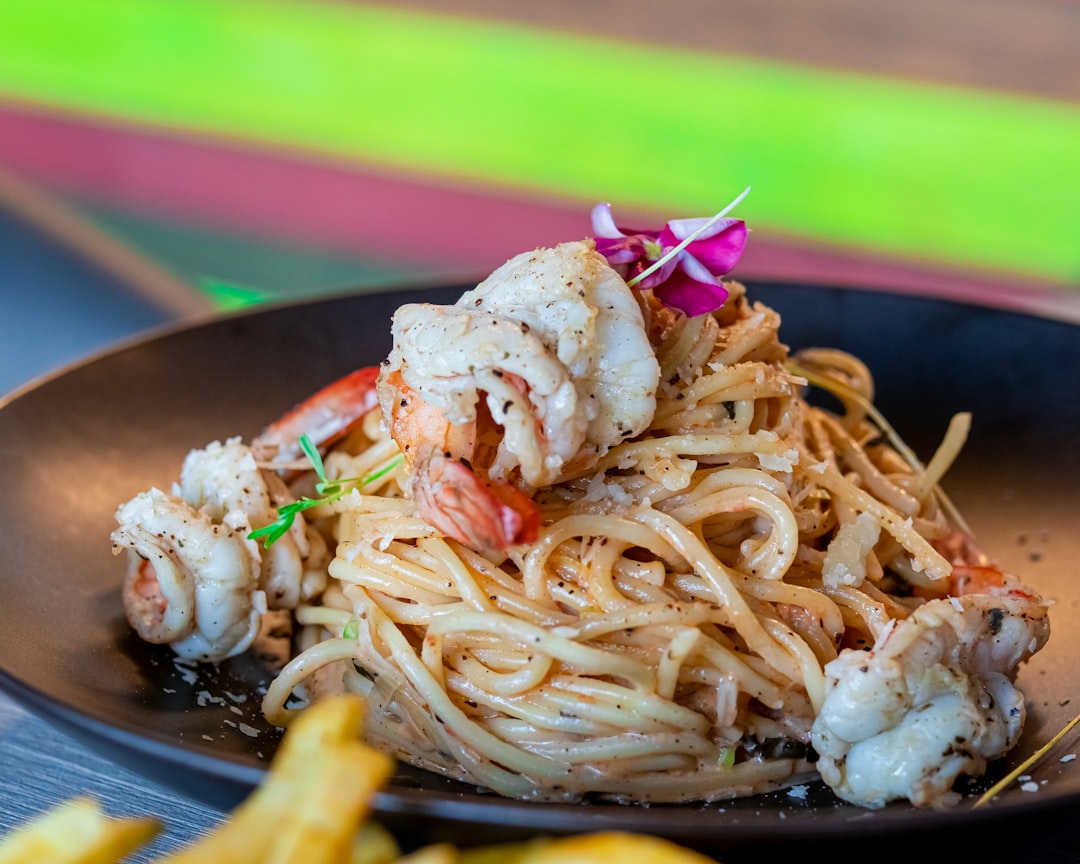
Seafood Spaghetti en Papillote with Fries
Tender spaghetti with shrimp, mussels, and clams steamed inside parchment, finished with white wine and garlic. Serve with crispy fries for the ultimate restaurant-style weeknight dinner.
Ingredients
- •spaghetti
- •large shrimp, peeled and deveined
- •mussels or clams, cleaned
- •dry white wine
- •garlic, minced
- •frozen French fries
Steps
- 1Preheat oven to 425°F. Start the fries in an air fryer or oven on a separate pan.
- 2Boil spaghetti in salted water until just al dente, about 8 minutes. Drain well.
- 3Tear off two 18-inch sheets of parchment. Divide pasta between them, then top with shrimp, mussels, minced garlic, and wine.
- 4Fold parchment loosely and seal edges by creasing twice, leaving space for steam. Place on a baking sheet.
- 5Bake for 8–10 minutes until parchment puffs and shellfish opens. Discard any unopened mussels.
- 6Serve hot with fries alongside. Drizzle pan juices over pasta.
Why this works
Garlic, pasta, and shrimp form a culinary trinity that works beautifully together. Garlic's pungent, aromatic compounds become mellow and sweet when gently cooked, creating a flavor base that complements the delicate, slightly sweet taste of shrimp without overpowering it. The pasta acts as the perfect vehicle, absorbing garlic-infused oils and any pan juices while providing textural contrast to the tender shellfish.
From a cooking perspective, these ingredients have complementary cooking times and techniques. Shrimp cook quickly—typically in 2-3 minutes—which means they won't overcook while waiting for pasta to finish. When combined in methods like en papillote (cooking in parchment), the ingredients steam together, allowing flavors to meld while keeping the shrimp moist and tender. The garlic releases its oils gradually, infusing the entire dish without any raw, harsh notes.
The chemistry here is straightforward but effective: garlic provides umami depth, shrimp contributes briny sweetness and protein, and pasta brings starch that helps create a light sauce when combined with cooking liquids. This trio is forgiving yet sophisticated, working equally well in quick weeknight preparations or elegant dinner party presentations.
More you can make
Open in CookSnap to unlock all of these.
Have different ingredients?
Try our free ingredient finder.
Open the recipe finder →Frequently asked
Can I substitute the shrimp with other seafood?
Absolutely. Clams, mussels, scallops, or white fish like cod work beautifully with garlic and pasta. You can even combine multiple seafood options, as shown in the Shrimp & Clam Linguine en Papillote recipe. Adjust cooking times based on the thickness and type of seafood—shellfish may need slightly longer than shrimp.
What type of pasta works best with garlic and shrimp?
Thin pastas like spaghetti, linguine, or angel hair are ideal because they cook quickly and won't overpower delicate shrimp. These shapes also hold light garlic oils well. Avoid heavy, chunky pasta shapes that can overshadow the subtle seafood flavors.
How do I prevent my shrimp from becoming rubbery?
The key is not to overcook them. Shrimp are done as soon as they turn pink and opaque, typically 2-3 minutes. If using the en papillote method, this timing is even more controlled since the parchment creates a steaming environment. Avoid high heat and constant stirring—let them cook gently and undisturbed.
Can I add other ingredients I have on hand?
Yes! Cherry tomatoes (as in the 15-Min Seafood Spaghetti), white wine, lemon juice, red pepper flakes, and fresh herbs like parsley or basil complement garlic shrimp pasta beautifully. Even simple additions like butter or olive oil can elevate the dish. Check if these ingredients can enhance your chosen recipe.
What's the difference between these seafood spaghetti recipes?
The main variations involve cooking methods: en papillote recipes use parchment for steaming, which traps flavors and moisture; baked versions cook in the oven in a dish; and stovetop preparations offer quicker results. Some include fries as a side, while others feature cherry tomatoes. All deliver tender shrimp with garlic-infused pasta—choose based on your preferred technique and available time.
Want 15+ more meal ideas from your ingredients?
CookSnap finds dozens of recipes from a single fridge photo, with smart filters for diet, time, and macros.
Get CookSnap — Free