What Can I Make with Pasta?
With just pasta, you can make Cacio e Pepe, the legendary Roman dish that transforms three simple ingredients into something silky and complex. The key is emulsifying creamy pecorino cheese with starchy pasta water—no cream needed. We also have garlic butter, garlic oil, and breadcrumb variations that are equally rewarding.
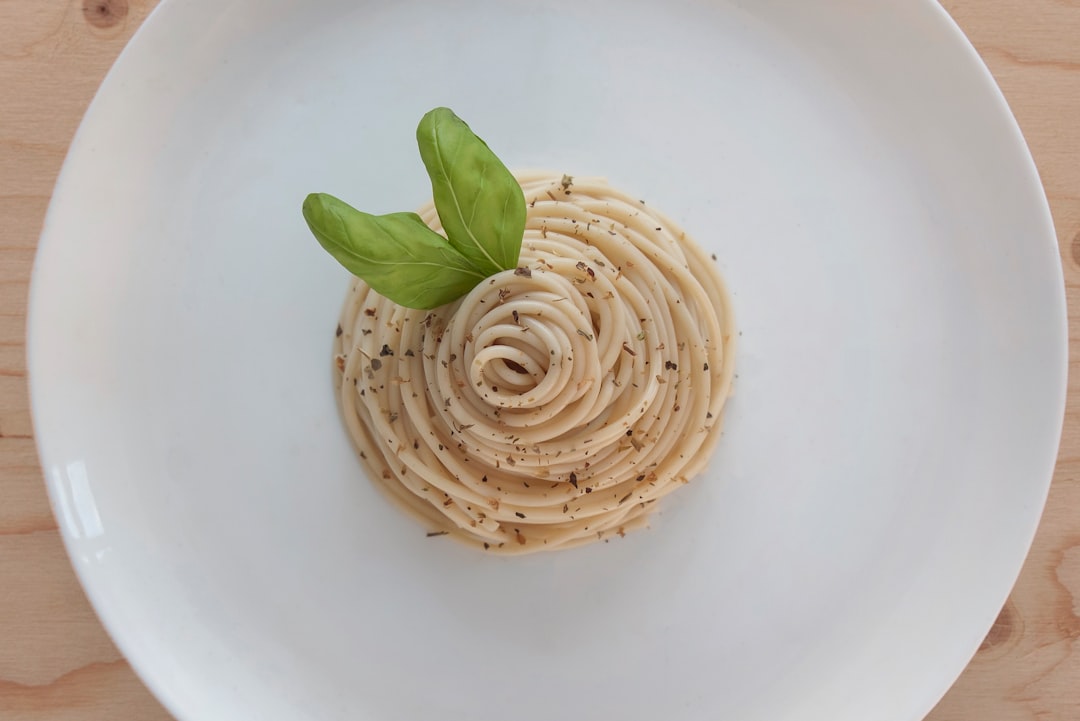 Top recipe
Cacio e Pepe
Three ingredients, twenty minutes, no cream. The Roman classic that lives or dies on emulsifying pecorino with starchy pasta water.
Ingredients
- •spaghetti or tonnarelli
- •finely grated pecorino romano
- •coarsely cracked black pepper
- •kosher salt, for the pasta water
Steps
- 1Bring a large pot of water to a boil. Salt it less than you normally would. Cook the spaghetti until just shy of al dente, about a minute less than the package time.
- 2While the pasta cooks, toast the cracked pepper in a dry wide skillet over medium heat for about a minute, until intensely fragrant. Add a ladle of pasta water to stop the toasting.
- 3Use tongs to transfer the pasta directly into the skillet along with another splash of pasta water. Toss vigorously over low heat for about a minute.
- 4Pull the pan off the heat. Sprinkle the pecorino over the pasta a small handful at a time, tossing constantly. Add splashes of pasta water as needed to keep things loose. The cheese should melt into a glossy, clinging sauce, not clump.
- 5Plate immediately. Top with a little extra pecorino and pepper if you like.
Why this works
Cacio e Pepe works because it relies on one of cooking's most elegant techniques: emulsification. When you toss hot pasta with grated pecorino and reserved pasta water, the starch acts as a binder, creating a velvety sauce that clings to every strand. The cheese brings a sharp, salty depth that feels luxurious despite its simplicity. This is why the Roman cooks perfected it—maximum flavor from minimal ingredients.
The beauty of pasta dishes is how versatile the base truly is. If you have just pasta and pantry staples (which most cooks do), you're never more than 20 minutes from dinner. Garlic-forward variations work because raw or gently cooked garlic releases sulfur compounds that become sweet and mellow when heated in oil. The starchy pasta water is your secret weapon in every version—it's what transforms a dry, oily mixture into a cohesive, silky dish.
Common variations depend on what else you can scrounge: toasted breadcrumbs add texture and richness, mimicking the mouthfeel of cream; butter rounds out sharp flavors and adds tenderness. Some cooks finish with a crack of black pepper, others with red pepper flakes for heat. The technique stays the same—keep some pasta water, emulsify it into your fat and cheese (or just fat), and toss while the pasta is still hot.
Serve Cacio e Pepe as a light main course with a crisp white wine and a simple green salad on the side. The dish is delicate enough that heavy sides overwhelm it—you want something that cleanses the palate. A wedge of lemon is optional but appreciated by those who like brightness.
More you can make
Open in CookSnap to unlock all of these.
Have different ingredients?
Try our free ingredient finder.
Open the recipe finder →Frequently asked
Can I substitute the cheese or pasta type?
For Cacio e Pepe specifically, pecorino Romano is traditional and crucial—its sharp, salty character is non-negotiable. For other recipes, Parmesan works but tastes milder. Use dried, long pasta (spaghetti, bucatini, or tonnarelli); short pasta doesn't emulsify as smoothly.
Why is my pasta sauce breaking or getting oily?
Temperature control is everything—if your pasta cools too much before tossing, the cheese won't emulsify properly. Always reserve pasta water before draining, and toss the hot pasta off the heat with cheese and water simultaneously, stirring constantly.
How do I scale this recipe up for guests?
The ratios scale linearly: roughly 1 part cheese to 4 parts pasta by weight, plus about ½ cup pasta water per pound of pasta. For large batches, work in two portions rather than one—it's easier to maintain the emulsion.
Are there vegan or dairy-free versions?
Cacio e Pepe specifically requires cheese to work, but the garlic oil and garlic butter pasta recipes can be made vegan by using quality olive oil alone or vegan butter. The starchy pasta water still emulsifies beautifully without dairy.
What else can I make with just pasta and pantry staples?
Beyond Cacio e Pepe, try aglio e olio (pasta with garlic and oil), pasta with breadcrumbs and anchovy, or a simple butter and herb toss. Our library has garlic butter, garlic oil, and breadcrumb variations you can explore.
Can I prep this ahead or store leftovers?
Cacio e Pepe is best eaten immediately—the sauce breaks as it cools. If you have leftovers, store them separately and reheat gently with a splash of water to restore the emulsion.
Related
Want 15+ more meal ideas from your ingredients?
CookSnap finds dozens of recipes from a single fridge photo, with smart filters for diet, time, and macros.
Get CookSnap — Free