What Can I Make With Cheese and Pasta?
With cheese and pasta on hand, the standout is Crispy Cheese Pasta with Caramelized Onions — about 18 minutes, 618 calories and 18g protein per serving. CookSnap matched 6 real, hand-tested recipes to these two ingredients, including one-pan cheeseburger pasta and Alpine-style mac and cheese, so every option here is a recipe someone has actually cooked — not an AI guess.
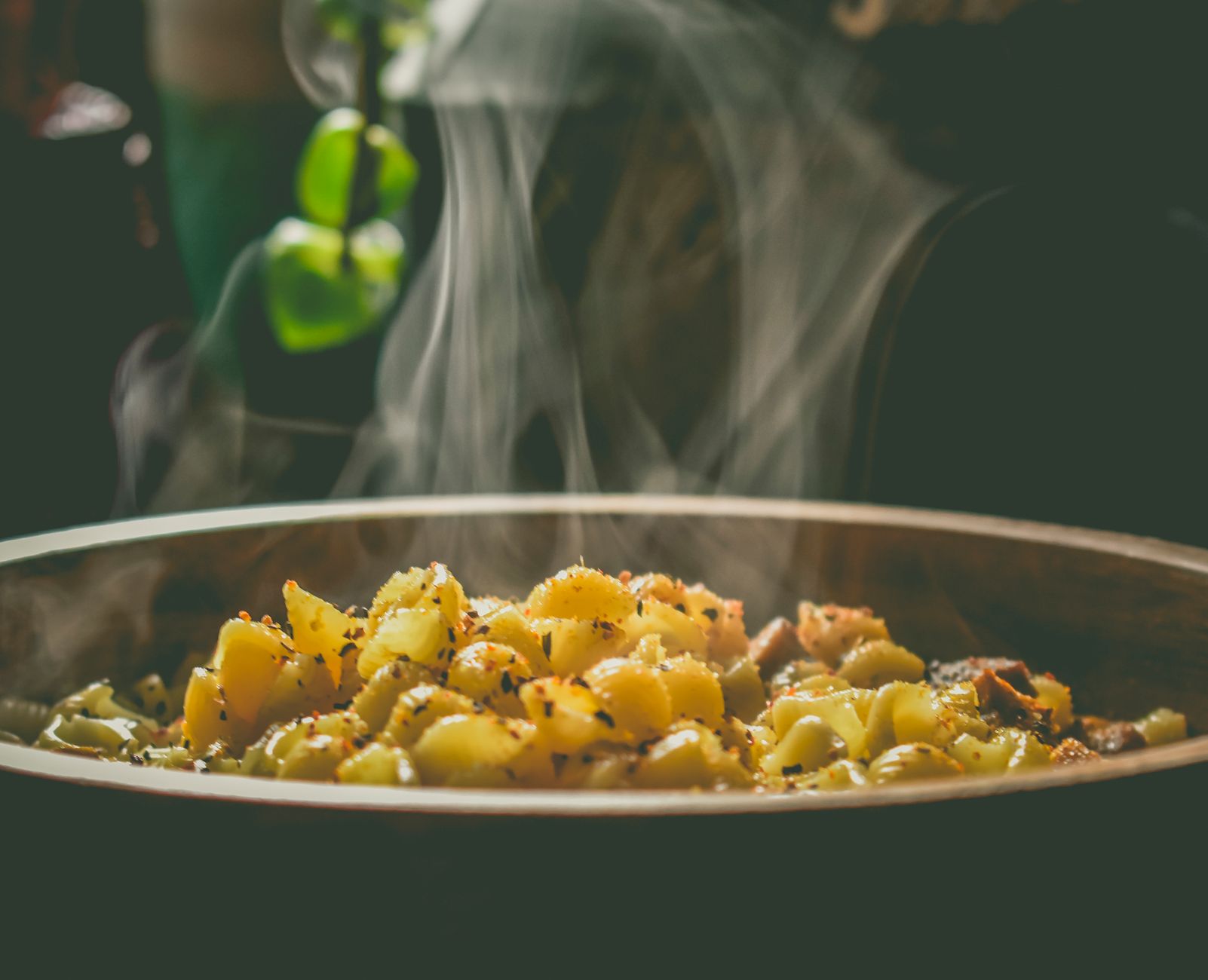 Top recipe
Crispy Cheese Pasta with Caramelized Onions
Älplermagronen reimagined as a one-pan cheesy pasta with sweet caramelized onions and crispy fried shallots. Comfort food that feels fancy, ready in 18 minutes.
Ingredients
- •elbow pasta
- •yellow onions
- •gruyère or emmental cheese, shredded
- •heavy cream
- •crispy fried onions or shallots
- •fresh thyme or chives
Steps
- 1Slice onions into thin half-moons. Heat 2 tbsp butter in a large skillet over medium-low, add onions with a pinch of salt.
- 2Cook onions, stirring occasionally, until deep golden and jammy, about 12 minutes. Transfer to a plate.
- 3Boil pasta in salted water until al dente. Reserve 0.75 cup pasta water before draining.
- 4Return skillet to medium heat. Add drained pasta, cream, and cheese. Toss gently, adding pasta water 2 tbsp at a time until sauce coats the noodles.
- 5Fold caramelized onions back into pasta. Season with salt and pepper to taste.
- 6Divide into bowls. Top with crispy fried onions and fresh herbs. Serve immediately.
Why this works
Cheese and pasta is one of the most reliable two-ingredient starting points in any kitchen, and the reason is mostly chemistry. Pasta brings starch and a little salted cooking water; cheese brings fat, protein and savory, umami-rich flavor. When you toss hot pasta with cheese and a splash of that starchy water, the starch helps the melted cheese emulsify into a glossy sauce that clings to every strand instead of clumping. That single technique is the backbone of everything from a quick cacio e pepe to a baked mac and cheese.
What changes from dish to dish is mostly the supporting cast. Add caramelized onions and a touch of cream and you get the Crispy Cheese Pasta above; brown some beef and tomato and the same base becomes one-pan cheeseburger pasta; fold in potatoes and you are most of the way to Alpine Älplermagronen. Because cheese and pasta are so forgiving, they scale from a five-minute snack to a dinner-party bake without changing the core method.
CookSnap's job is to match the cheese and pasta you already have against a curated library of real recipes, rank them by how well they fit, and show you exactly which extra ingredients each one needs. Nothing here is AI-invented — every recipe has been cooked and verified, and the fit percentage tells you how close you already are to dinner.
More you can make
Open in CookSnap to unlock all of these.
Have different ingredients?
Try our free ingredient finder.
Open the recipe finder →Frequently asked
What is the easiest thing to make with just cheese and pasta?
The fastest route is a simple cheese pasta: cook the pasta, reserve a little starchy cooking water, then toss the drained pasta with grated cheese and a few spoonfuls of that water off the heat until it forms a light sauce. The Crispy Cheese Pasta with Caramelized Onions above is an 18-minute upgrade on that idea.
What kind of cheese works best for pasta?
Hard, aged cheeses like Parmesan, Pecorino or aged cheddar melt into a smooth, salty sauce, while a handful of mozzarella or fontina adds stretch. For baked dishes, a mix of a sharp melting cheese with a little Parmesan on top gives you both flavor and a crisp crust.
Can I make cheese pasta without cream or milk?
Yes. A classic cheese-and-pasta sauce needs no cream at all — the emulsion of cheese, fat and starchy pasta water does the work. Cream makes it richer and more stable, but it is optional, and several of the matched recipes are built without it.
How do I stop the cheese from turning grainy or clumping?
Take the pan off direct heat before adding cheese, add it gradually, and loosen with starchy pasta water rather than plain water. High heat is what splits a cheese sauce, so low-and-slow plus that starchy water keeps it glossy.
What can I add to cheese and pasta to make it a full meal?
Protein and vegetables turn it into dinner: ground beef for cheeseburger pasta, chicken, peas, spinach, broccoli or caramelized onions all work. CookSnap shows you which additions each recipe needs and how many you already have.
Related
Want 15+ more meal ideas from your ingredients?
CookSnap finds dozens of recipes from a single fridge photo, with smart filters for diet, time, and macros.
Get CookSnap — Free