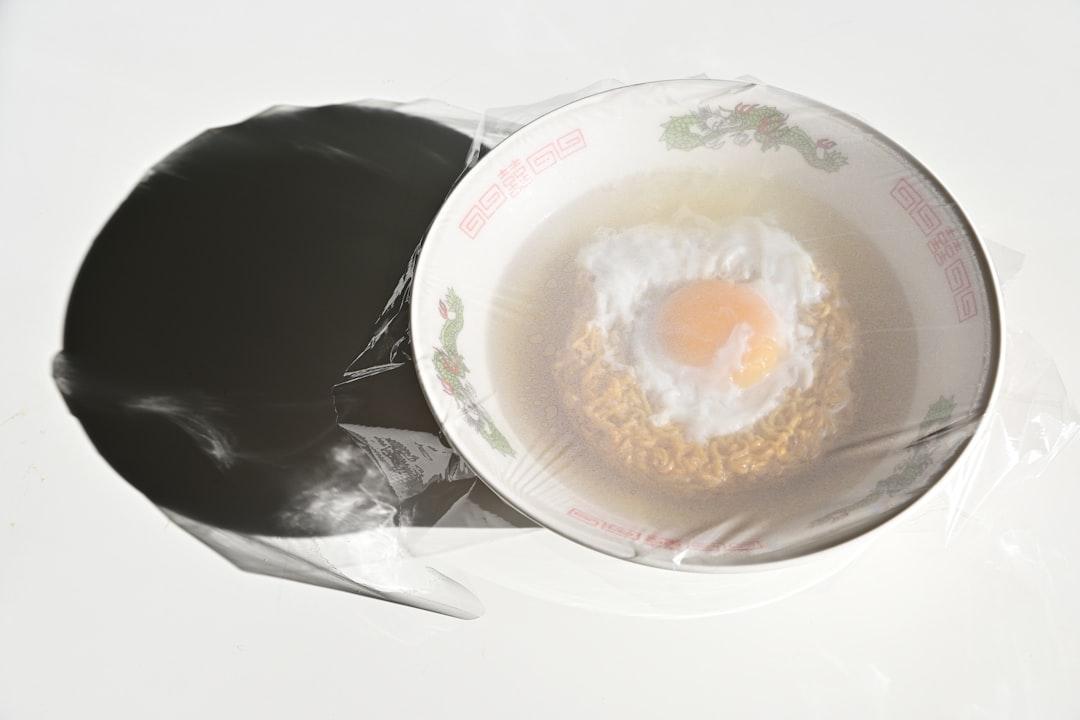
Japanese Moon-Watching Soba Noodles
Japanese buckwheat noodles in a savory dashi broth topped with a raw egg yolk that mimics the moon. A simple, elegant dish that comes together in minutes and feels deeply comforting.
- Total time
- 20 min
- Servings
- 2
- Calories
- 380
- Protein
- 16g
Ingredients
- 4 cups water
- 1 4-inch piece kombu (dried kelp)
- 1 cup, loosely packed bonito flakes (katsuobushi)
- 3 tablespoons low-sodium soy sauce
- 1.5 tablespoons mirin (sweet rice wine)
- ¼ teaspoon salt
- 7 ounces dried soba noodles
- 2 whole large eggs
- 2 whole green onions (scallions)
- ½ sheet nori (seaweed sheets)
- ¼ cup bonito flakes (katsuobushi), for garnish
Instructions
- 1
Pour 4 cups of water into a medium saucepan and place over medium-high heat. Wipe a 4-inch piece of kombu with a damp cloth to remove any dust, then add it to the cold water. Bring to a gentle simmer — you want small bubbles slowly breaking the surface, not a rolling boil. Just before the water reaches a full boil, remove the kombu. This gentle heating extracts the kombu's umami without bitterness.
- 2
Increase the heat to medium-high and bring the water to a boil. Remove from heat and immediately add 1 cup of loosely packed bonito flakes. Stir gently and let them sink. After 2 minutes, strain through a fine-mesh strainer into a clean pot, pressing gently on the solids. You should have about 3.5 cups of clear, fragrant dashi.
- 3
Return the dashi to medium heat and stir in 3 tablespoons of low-sodium soy sauce, 1.5 tablespoons of mirin, and 0.25 teaspoon of salt. Taste — the broth should be savory and slightly sweet. Adjust seasoning if needed. Keep warm over low heat.
- 4
Bring a large pot of unsalted water to a rolling boil over high heat. Add 7 ounces of dried soba noodles and stir gently with chopsticks to separate them. Soba cooks fast — check the package directions, but typically it takes 4-5 minutes. When a noodle is tender but still has a slight chew (bend one in half; it should snap cleanly without being hard or mushy), drain immediately in a fine-mesh strainer and rinse under cool running water. Set aside.
- 5
While the noodles cook, slice 2 green onions (scallions) — separate the white parts from the tender green tops. Slice both into thin rings, keeping them separate. With a pair of kitchen scissors or a knife, cut a 0.5 sheet of nori into thin strips and set aside. These will go on top of the egg, so keep them within arm's reach.
- 6
Ladle the warm dashi into two deep bowls (about 1.75 cups per bowl). Divide the cooked noodles between the two bowls, nestling them in the center of each. The noodles should be warm from the residual heat of the broth.
- 7
Gently separate 2 large eggs, keeping the yolks whole and intact — you want just the yolks to garnish the bowls. Place one raw egg yolk in the center of each noodle nest, so it sits like a moon on the surface. Scatter the white parts of the green onions around the noodles. Arrange the nori strips and 0.25 cup of bonito flakes on top and around the egg yolk.
- 8
Serve immediately. As you eat, break the warm yolk with your spoon and let it gently mix into the broth, creating a rich, silky sauce. This is the essence of tsukimi soba — the 'moon viewing' dish.
Tools you’ll need
- medium saucepan
- fine-mesh strainer
- large pot
- chopsticks
- two deep bowls
- kitchen scissors or knife
- ladle
Cook smarter
Get matched recipes for what’s in your fridge
CookSnap is a free iOS app that finds real recipes from the ingredients you already have. No more grocery-list aspirations.