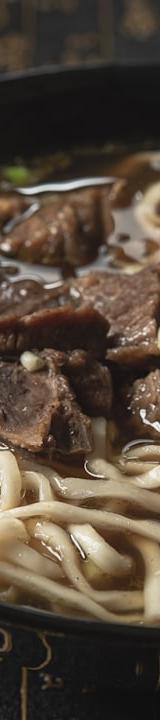
Japanese Braised Beef and Soba Noodles
Hot, chewy buckwheat noodles topped with tender braised beef, caramelized onions, and a rich tare sauce. A warming Japanese noodle dish that's restaurant-quality but achievable at home.
- Total time
- 45 min
- Servings
- 2
- Calories
- 520
- Protein
- 38g
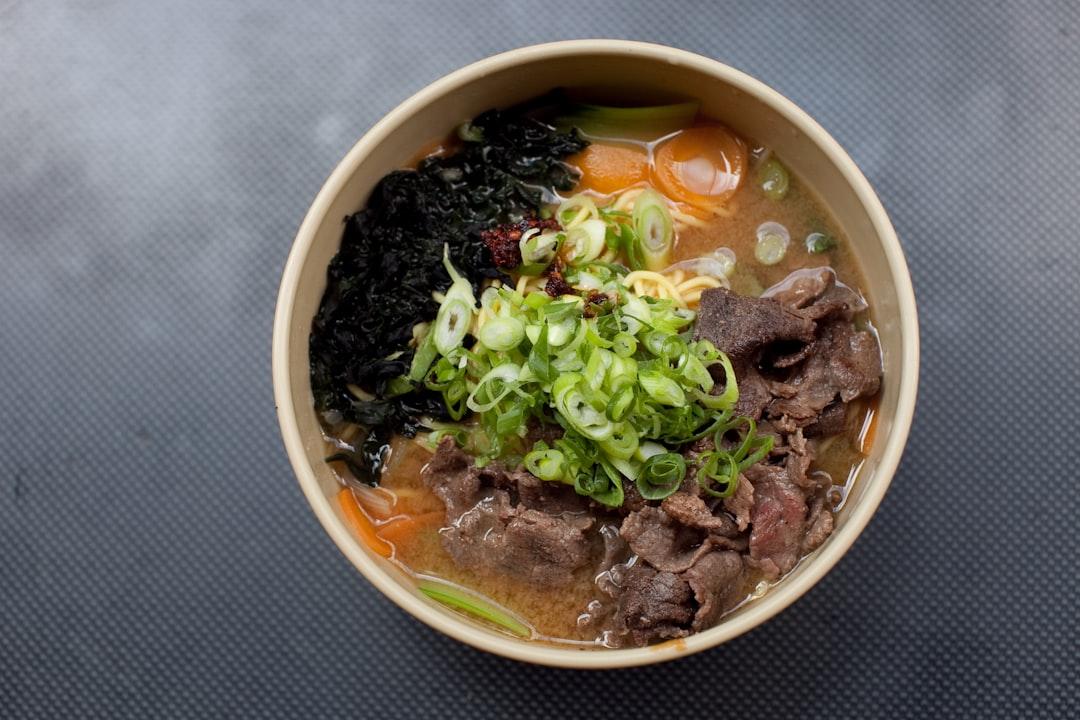
Ingredients
- 10 oz beef chuck or sirloin, cut into 1-inch cubes
- 3 tablespoons soy sauce
- 2 tablespoons mirin
- 2 tablespoons sake
- 1 teaspoon sugar
- 2 cloves garlic cloves, peeled
- 1 piece fresh ginger, 1-inch piece, peeled and sliced
- 2 stalks scallions, cut into 2-inch pieces
- 1 cup water
- 7 oz dried soba noodles
- 3 tablespoons soy sauce
- 1.5 tablespoons mirin
- 1.5 cups dashi stock or low-sodium chicken broth
- ½ teaspoon sugar
- 2 stalks scallions, thinly sliced on the bias
- ¼ teaspoon shichimi togarashi (Japanese seven-spice blend)
- ½ sheet nori (dried seaweed sheets), cut into thin strips
Instructions
- 1
Set a 10-inch heavy-bottomed pot or Dutch oven over medium-high heat. While it preheats for 2 minutes, pat 10 oz of beef chuck or sirloin cubes completely dry with paper towels — dry meat sears faster and browns more deeply instead of steaming.
- 2
When the pot is hot enough that a drop of water evaporates on contact, add the beef in a single layer without crowding. Let each piece sear undisturbed for 2-3 minutes until deeply golden brown on the bottom. You should hear a steady sizzle. Flip and sear another 2 minutes on the second side. Work in batches if needed, and transfer each batch to a plate.
- 3
Pour 1 cup of water into the empty pot and scrape the bottom with a wooden spoon to release all the browned bits — this is liquid gold for flavor. Return the beef to the pot along with any accumulated juices.
- 4
Add 3 tablespoons of soy sauce, 2 tablespoons of mirin, 2 tablespoons of sake, 1 teaspoon of sugar, 2 peeled garlic cloves, a 1-inch piece of fresh ginger sliced into thin coins, and 2 scallions cut into 2-inch pieces. Stir well to combine.
- 5
Bring to a gentle boil, then immediately reduce the heat to low. Place a drop lid (otoshibuta) or parchment paper directly on the surface of the liquid — this keeps the beef submerged and prevents the top pieces from drying out. Cover the pot loosely with a lid.
- 6
Simmer gently for 25-30 minutes. The beef is done when a fork pierces the largest piece with almost no resistance. The liquid should reduce slightly and become glossy and slightly concentrated. Taste the broth — it should be rich and deeply savory, not salty. If too salty, add a splash of water. If too watery, remove the lid and simmer uncovered for another 5 minutes to reduce.
- 7
Remove from heat and let the beef rest in the cooking liquid while you prepare the noodles and tare — residual heat will continue to tenderize the meat.
- 8
While the beef finishes, bring a large pot of water to a rolling boil over high heat. You'll need at least 3 quarts — soba noodles need plenty of water to cook evenly without clumping.
- 9
Prepare the tare sauce: in a small saucepan, combine 1.5 cups of dashi stock or low-sodium chicken broth, 3 tablespoons of soy sauce, 1.5 tablespoons of mirin, and 0.5 teaspoon of sugar. Warm over medium heat, stirring occasionally, until steam rises but it doesn't quite boil — about 3-4 minutes. The sauce should smell fragrant and slightly sweet. Keep warm on low heat.
- 10
Once the water is at a rolling boil, carefully separate 7 oz of dried soba noodles — they're brittle, so hold them gently over the pot and let them fall in. Stir immediately with a wooden spoon to prevent sticking. The water will foam up slightly; this is normal.
- 11
Cook until the noodles are just tender but still have a slight bite — this usually takes 4-5 minutes, but check the package directions as thickness varies. To test, lift a single noodle with chopsticks and taste it; it should bend easily without snapping, and have no chalky center.
- 12
Drain the noodles through a colander and do not rinse them — the starch on the surface helps the sauce cling to the noodles.
- 13
Divide the warm soba noodles between two large bowls, using tongs or a noodle fork to pile them into a nest in the center of each bowl. The noodles should sit above the rim slightly.
- 14
Using a slotted spoon, lift the beef pieces out of the braising liquid and divide them evenly between the two bowls, arranging them on top of the noodles. Pour 0.75 cup of the warm tare sauce into each bowl — the liquid should come up to just cover the noodles but not be soupy. Taste and add a splash more broth if needed.
- 15
Garnish each bowl generously with 1 sliced scallion (about 1 tablespoon per bowl), a pinch of shichimi togarashi sprinkled across the top, and a small handful of thin nori strips scattered over the beef. Serve immediately while steaming hot — the heat activates the aromatics in the seven-spice blend.
Tools you’ll need
- 10-inch heavy-bottomed pot or Dutch oven
- wooden spoon
- drop lid (otoshibuta) or parchment paper
- large pot (3+ quart capacity)
- small saucepan
- colander
- slotted spoon
- tongs or noodle fork
- chopsticks
- two large serving bowls
- paper towels
Cook smarter
Get matched recipes for what’s in your fridge
CookSnap is a free iOS app that finds real recipes from the ingredients you already have. No more grocery-list aspirations.