What Can I Make with Soy Sauce, Fish & Rice?
With soy sauce as your base ingredient, you can create restaurant-quality dishes like Salmon Sashimi—a elegant raw fish preparation where soy sauce serves as the essential dipping condiment. Soy sauce is a versatile umami powerhouse that elevates seafood, noodles, and fried appetizers into authentic Asian cuisine.
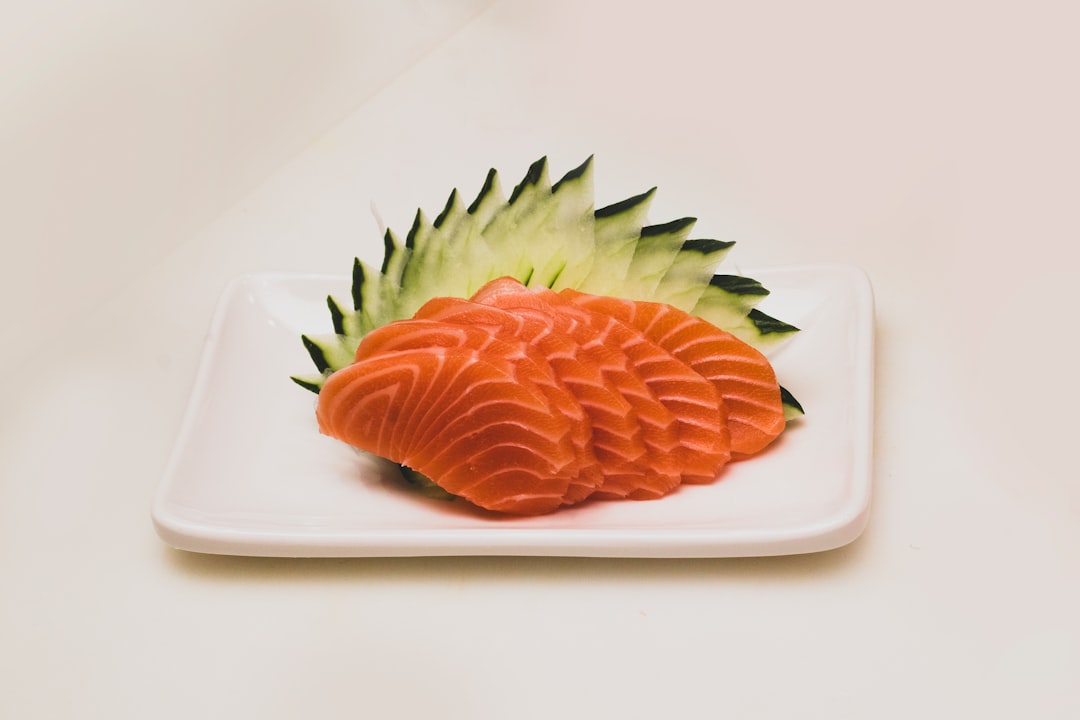 Top recipe
Salmon Sashimi
Pristine, paper-thin slices of sushi-grade salmon served ice-cold with wasabi and soy sauce. A simple showcase of quality fish and Japanese technique.
Ingredients
- •sushi-grade salmon fillet, skin removed
- •wasabi paste
- •low-sodium soy sauce
- •pickled ginger (gari)
Steps
- 1Remove your 8 oz sushi-grade salmon fillet from the refrigerator 5 minutes before serving — salmon at near-room temperature (around 50°F) will have better flavor and texture than ice-cold fish. Pat it completely dry with paper towels and place it on a cutting board.
- 2Fill a bowl with ice water and place it nearby — you'll use it to keep your knife cold, which prevents the fish from tearing and ensures clean cuts.
- 3Dip a very sharp, long-bladed knife (at least 8 inches) into the ice water and shake off excess. Using one smooth, single-stroke motion (never saw back and forth), slice the salmon against the grain at a 45-degree angle into pieces about 1/4-inch thick. After every 2–3 slices, dip the blade in ice water again. You should get 12–14 slices total.
- 4Arrange the salmon slices on a chilled plate by overlapping them slightly in a single row or circular pattern — the overlapping shows off each slice and creates visual elegance.
- 5Place 1 teaspoon of wasabi paste and 2 tablespoons of pickled ginger on the plate alongside the salmon. Pour 3 tablespoons of low-sodium soy sauce into a small dipping bowl.
- 6Serve immediately. To eat, add a tiny dab of wasabi to each slice (wasabi is very potent — start small), dip in soy sauce, and eat in one bite. The pickled ginger between bites refreshes your palate.
Why this works
Soy sauce is one of the most important flavor foundations in Asian cooking, delivering deep umami, saltiness, and subtle sweetness that enhance rather than overpower. Its fermented complexity comes from soybeans and wheat broken down over months, creating amino acids that trigger savory satisfaction on your palate. This makes it the perfect companion for delicate proteins like raw fish, where it amplifies natural flavors without cooking away nuance.
The beauty of soy sauce lies in its transformative power across cooking methods. Whether you're creating a dipping sauce for sashimi, glazing grilled fish, tossing into noodle dishes, or using it to season fried wontons, soy sauce provides cohesive flavor that ties ingredients together. Its saltiness also acts as a preservative and flavor intensifier, allowing you to use less salt overall while achieving more complex taste profiles.
Soy sauce pairs exceptionally well with seafood because both share umami richness. Fish proteins naturally contain glutamates, and soy sauce's glutamates create a synergistic effect called umami-stacking. This combination is why sashimi platters always feature soy sauce, and why it's essential in teriyaki, miso-based broths, and Asian noodle dishes.
More you can make
Open in CookSnap to unlock all of these.
Have different ingredients?
Try our free ingredient finder.
Open the recipe finder →Frequently asked
Can I substitute soy sauce with tamari or coconut aminos?
Yes. Tamari is a gluten-free soy sauce alternative with nearly identical flavor, making it a 1:1 substitute. Coconut aminos tastes slightly sweeter and less salty, so use 75% of the amount called for and adjust to taste. Both work well in dipping sauces, marinades, and glazes.
What's the difference between light and dark soy sauce?
Light soy sauce is saltier and more delicate, ideal for sashimi dips and light noodle soups. Dark soy sauce is thicker, sweeter, and more molasses-forward, perfect for braising and creating glossy glazes on grilled fish and fried dishes.
How do I make a soy sauce dipping sauce for sashimi?
Mix 3 parts soy sauce with 1 part mirin (or honey), add fresh wasabi and a touch of sesame oil. For a spicy version, add sriracha or chili oil. Let it sit 5 minutes before serving to allow flavors to meld.
What other Asian dishes can I make with just soy sauce?
Beyond the recipes listed, try soy sauce in stir-fries, fried rice, marinades for grilled chicken or tofu, ramen broths, gyoza dipping sauces, and Vietnamese dipping sauce (nuoc cham with lime and chili). It's the backbone of most Asian savory cooking.
How should I store soy sauce to keep it fresh?
Store in a cool, dark cabinet away from direct sunlight. Soy sauce keeps indefinitely at room temperature due to its salt and fermentation. Opened bottles last 2-3 years. Refrigerate after opening if you want to extend shelf life, though it's not necessary.
Want 15+ more meal ideas from your ingredients?
CookSnap finds dozens of recipes from a single fridge photo, with smart filters for diet, time, and macros.
Get CookSnap — Free