What Can I Make with Salmon?
With salmon, you can make elegant Salmon Sashimi—pristine, paper-thin slices of sushi-grade fish served ice-cold with wasabi and soy sauce. This Japanese classic requires minimal preparation and lets the quality of your salmon shine. You can also prepare maple-glazed cedar plank salmon, smoked salmon bagels, or even incorporate salmon into rice bowls for more casual options.
 Top recipe
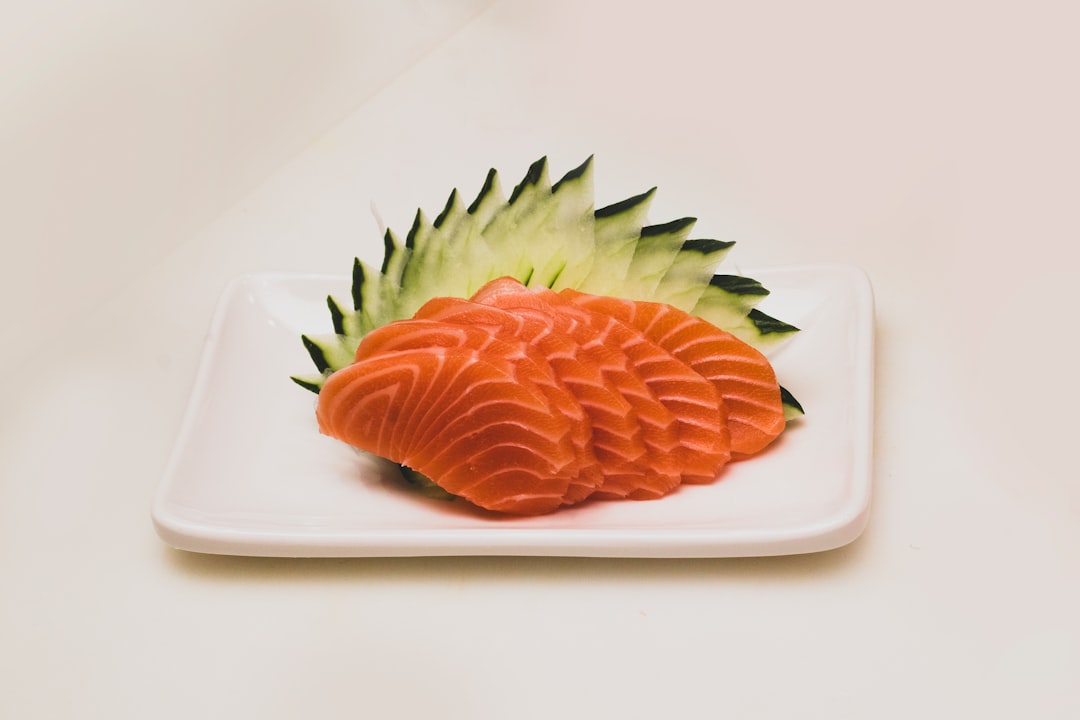
Salmon Sashimi
Pristine, paper-thin slices of sushi-grade salmon served ice-cold with wasabi and soy sauce. A simple showcase of quality fish and Japanese technique.
Ingredients
- •sushi-grade salmon fillet, skin removed
- •wasabi paste
- •low-sodium soy sauce
- •pickled ginger (gari)
Steps
- 1Remove your 8 oz sushi-grade salmon fillet from the refrigerator 5 minutes before serving — salmon at near-room temperature (around 50°F) will have better flavor and texture than ice-cold fish. Pat it completely dry with paper towels and place it on a cutting board.
- 2Fill a bowl with ice water and place it nearby — you'll use it to keep your knife cold, which prevents the fish from tearing and ensures clean cuts.
- 3Dip a very sharp, long-bladed knife (at least 8 inches) into the ice water and shake off excess. Using one smooth, single-stroke motion (never saw back and forth), slice the salmon against the grain at a 45-degree angle into pieces about 1/4-inch thick. After every 2–3 slices, dip the blade in ice water again. You should get 12–14 slices total.
- 4Arrange the salmon slices on a chilled plate by overlapping them slightly in a single row or circular pattern — the overlapping shows off each slice and creates visual elegance.
- 5Place 1 teaspoon of wasabi paste and 2 tablespoons of pickled ginger on the plate alongside the salmon. Pour 3 tablespoons of low-sodium soy sauce into a small dipping bowl.
- 6Serve immediately. To eat, add a tiny dab of wasabi to each slice (wasabi is very potent — start small), dip in soy sauce, and eat in one bite. The pickled ginger between bites refreshes your palate.
Why this works
Salmon's rich, buttery texture and distinctive umami flavor make it incredibly versatile in the kitchen. When you choose sushi-grade salmon for sashimi, you're working with one of the finest preparations—the fish needs to be impeccably fresh and properly handled, which is why sourcing matters. The simplicity of this dish actually demands quality ingredients: the salmon, wasabi's sharp heat, and soy sauce's deep saltiness create a perfectly balanced bite that respects the fish itself.
Beyond raw preparations, salmon's natural oils and delicate flesh work beautifully with both bold and subtle cooking techniques. Glazing salmon with maple brings out its natural sweetness while a cedar plank imparts gentle woodsmoke flavors. Smoking transforms the texture entirely, creating that silky, concentrated taste perfect for breakfast preparations like bagels with cream cheese. Each method highlights different aspects of the salmon's character.
Common variations depend on your mood and skill level: Japanese cooks might pair sashimi with cucumber, daikon radish, and shiso leaves; Scandinavian traditions lean toward dill, capers, and crème fraîche; Asian-fusion approaches add ginger, lime, and chili. Serve sashimi on a chilled ceramic plate with pickled ginger and a small dish of soy sauce mixed with wasabi for dipping. For cooked preparations, pair with roasted vegetables, steamed rice, or fresh greens to balance the richness of the fish.
More you can make
Open in CookSnap to unlock all of these.
Have different ingredients?
Try our free ingredient finder.
Open the recipe finder →Frequently asked
Can I use regular salmon instead of sushi-grade for sashimi?
Not safely. Sashimi requires sushi-grade salmon that's been specially handled and frozen to eliminate parasites. Regular salmon sold at most grocers hasn't undergone this process. Always ask your fishmonger specifically for sushi-grade salmon if you plan to eat it raw.
How should I store fresh salmon before cooking?
Keep salmon on the coldest shelf of your refrigerator (ideally 32-35°F) in its original packaging or wrapped tightly in plastic wrap for up to 2 days. For longer storage, wrap it well and freeze for up to 3 months. Thaw frozen salmon in the refrigerator overnight, never at room temperature.
What's the best way to tell if my salmon is fresh?
Fresh salmon should have a mild ocean smell, not a fishy odor. The flesh should be firm and bounce back when pressed, with bright coloring. If it smells strongly of fish or feels mushy, it's past its prime.
Can I make these recipes with frozen salmon?
Cooked preparations like maple-glazed or smoked salmon work well with thawed frozen salmon. However, sashimi absolutely requires fresh, sushi-grade salmon—never use previously frozen regular salmon raw.
What other salmon recipes can I make?
You can make Maple-Glazed Cedar Plank Salmon for a beautiful dinner, Smoked Salmon Cream Cheese Bagels for brunch, or add salmon to rice bowls and onigiri. Salmon also works beautifully in chowders, pasta dishes, and grain bowls.
How do I scale sashimi for a dinner party?
Plan 3-4 ounces of sashimi per person as an appetizer. Slice just before serving to keep the fish cold and prevent oxidation. Arrange on a chilled platter with plenty of space between slices so they don't stick together.
Related
Want 15+ more meal ideas from your ingredients?
CookSnap finds dozens of recipes from a single fridge photo, with smart filters for diet, time, and macros.
Get CookSnap — Free