What Can I Make with Sage?
Sage is a versatile herb that works beautifully in both sweet and savory dishes. Our top pick is Southern Sweet Iced Tea with Sage—a refreshing 5-minute drink that pairs brewed black tea with fresh lemon and just a whisper of sage for an unexpected herbaceous twist. Beyond beverages, sage shines in creamy soups, butter-based pasta sauces, and gnocchi dishes where its earthy, slightly peppery flavor complements rich ingredients.
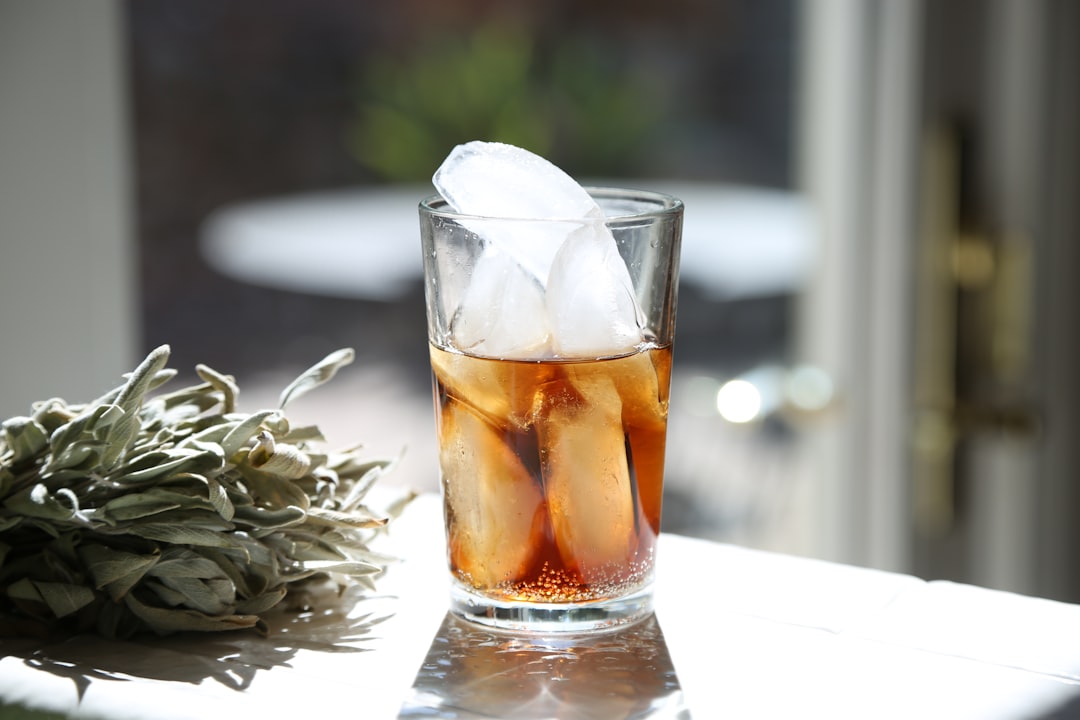 Top recipe
Southern Sweet Iced Tea with Sage
Brewed black tea sweetened with sugar, fresh lemon, and a whisper of sage for an unexpected herbaceous twist. Ice-cold, crushable, and ready in 5 minutes using pre-brewed tea.
Ingredients
- •brewed black tea, cooled
- •granulated sugar
- •lemon (juiced)
- •dried sage leaves
- •ice
Steps
- 1Pour cooled tea into a pitcher. Add sugar and stir until it dissolves completely, about 30 seconds.
- 2Crumble the dried sage between your fingers as you add it to the pitcher, then stir.
- 3Squeeze the lemon juice into the pitcher and stir to combine.
- 4Fill two tall glasses with ice, then pour the tea over the top.
- 5Serve immediately.
Why this works
Sage has a distinctive earthy, slightly peppery flavor with subtle minty undertones that works across an impressive range of cuisines and courses. In beverages like the Southern Sweet Iced Tea, the herb acts as a sophisticated accent—not overpowering the black tea and lemon, but adding complexity and a subtle herbaceous finish that makes the drink feel more refined. The key is using fresh sage leaves that are steeped briefly rather than boiled, preserving their delicate aromatics.
In savory applications, sage pairs exceptionally well with butter, cream, and rich cheeses like Gorgonzola. This is why sage-butter sauces are classic foundations for tortelli, gnocchi, and creamy pasta dishes. The herb's slight astringency cuts through richness and prevents dishes from feeling heavy. When you're working with pumpkin or squash, sage's earthy character echoes the vegetable's natural flavors while adding warmth and depth—making it perfect for soups and filled pasta.
Common variations depend on your cooking application: in hot applications like soups and pasta sauces, use fresh leaves or dried sage early in cooking so flavors meld completely. For cold beverages, steep fresh sage briefly in warm liquid, then chill—this prevents the herb from becoming bitter. Many cooks make crispy sage-butter garnishes by frying individual leaves until golden, creating textural contrast in creamy dishes.
Serve sage-forward dishes with complementary flavors: pair the iced tea with light appetizers or desserts, creamy sage soups with crusty bread and a simple salad, and sage-butter pasta with roasted vegetables or a fresh green salad to balance richness.
More you can make
Open in CookSnap to unlock all of these.
Have different ingredients?
Try our free ingredient finder.
Open the recipe finder →Frequently asked
Can I use dried sage instead of fresh?
Yes, but use about one-third the amount since dried sage is more concentrated. Dried sage works best in long-cooked dishes like soups and sauces; for beverages and garnishes, fresh sage delivers superior flavor and aroma.
How do I store fresh sage?
Wrap sage stems in a damp paper towel and refrigerate in a plastic bag for up to 2 weeks. Alternatively, freeze whole leaves in an ice cube tray with water or olive oil for up to 3 months.
What other herbs pair well with sage?
Sage works beautifully with rosemary, thyme, garlic, and lemon. It's also wonderful combined with parsley for a more delicate flavor in lighter dishes.
Can I make these recipes dairy-free?
The iced tea is naturally dairy-free. For creamy sage soups and pasta, substitute heavy cream with coconut milk or cashew cream, and use dairy-free butter or olive oil for sage-butter sauces.
What else can I make with just sage?
Sage works in compound butters for steaks, risottos, roasted vegetables, poultry stuffing, and infused oils. You can also make sage tea, fry leaves as a crispy garnish, or add it to cocktails and vinaigrettes.
How much sage should I use per serving?
For beverages, steep 3-5 fresh leaves per cup. For sauces and soups, use 1-2 teaspoons of chopped fresh sage per serving, adjusting to taste as you cook.
Related
Want 15+ more meal ideas from your ingredients?
CookSnap finds dozens of recipes from a single fridge photo, with smart filters for diet, time, and macros.
Get CookSnap — Free