What Can I Make with Lemon and Salmon?
With lemon and salmon, your best bet is Maple-Glazed Salmon on Cedar Plank—a showstopping dish that pairs the bright acidity of lemon with sticky maple-soy glaze and smoky cedar. The lemon brightens the rich salmon and balances the sweetness, while the cedar plank infuses everything with restaurant-quality flavor in under 20 minutes.
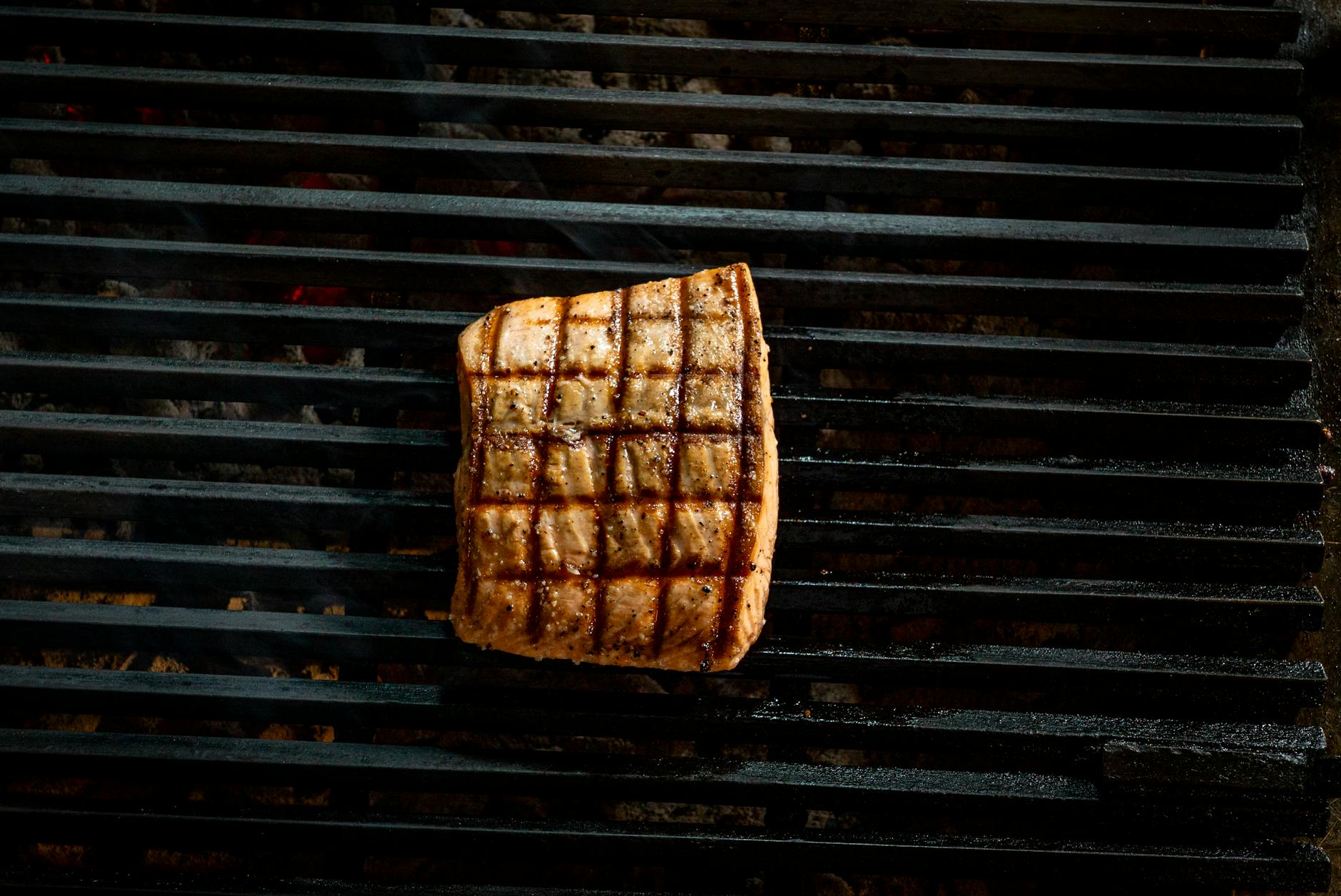 Top recipe
Maple-Glazed Salmon on Cedar Plank
Smoky cedar plank salmon with a sticky maple-soy glaze, ready in under 20 minutes. Grill or broil for restaurant-level flavor at home.
Ingredients
- •cedar plank
- •salmon fillet, skin-on
- •maple syrup
- •soy sauce
- •lemon
Steps
- 1Submerge cedar plank in water for at least 15 minutes so it won't burn on the grill.
- 2Pat salmon dry. Place skin-side down on the soaked plank and season generously with salt and pepper.
- 3Whisk together maple syrup and soy sauce. Brush half over the salmon.
- 4Heat grill to medium-high (or preheat broiler). Place plank directly on grill grate or on a baking sheet under the broiler.
- 5Cook 12–14 minutes until salmon flakes easily at the thickest part. Brush with remaining glaze in the last 2 minutes.
- 6Squeeze lemon over the top and serve directly on the plank.
Why this works
Lemon and salmon are a classic pairing because the citrus cuts through the salmon's richness and natural oils with a sharp, fresh acidity. This balance prevents the fish from feeling heavy and makes every bite feel lighter and more elegant. The brightness also amplifies the salmon's delicate seafood flavor rather than masking it, which is why chefs reach for lemon instinctively.
Maple-Glazed Salmon on Cedar Plank works brilliantly because the cedar imparts a subtle smokiness that complements both the maple sweetness and the salty-umami soy component. When you grill or broil it, the exterior caramelizes while the interior stays moist and tender. A squeeze of fresh lemon juice right before serving (or zest mixed into the glaze) adds a final flavor punch that ties everything together without overwhelming the maple notes.
You can customize this recipe easily depending on what you like: add minced garlic and ginger to the glaze for Asian flair, or keep it simple with just maple, soy, and a touch of Dijon mustard. Some cooks add a drizzle of honey or a splash of balsamic vinegar to deepen the glaze. The cedar plank method is forgiving and keeps the fish incredibly moist, making it nearly impossible to overcook.
Serve this with roasted asparagus, jasmine rice, or a crisp green salad dressed with lemon vinaigrette. The leftover salmon is fantastic flaked into a grain bowl the next day or layered into sandwiches with avocado and arugula.
More you can make
Open in CookSnap to unlock all of these.
Have different ingredients?
Try our free ingredient finder.
Open the recipe finder →Frequently asked
Can I make this without a cedar plank?
Absolutely. Bake it skin-side down on a lined baking sheet at 400°F for 12-15 minutes, or broil it on a foil-lined tray for 8-10 minutes. You'll skip the cedar smokiness, but the glaze and lemon will still shine. Parchment paper also works well and keeps cleanup minimal.
How much lemon should I use?
For a whole salmon fillet (about 1.5 lbs), use the zest of one lemon mixed into the glaze and squeeze half a lemon over the fish before serving. If you prefer brighter, tangier flavor, use a full lemon's juice. Start conservative and adjust to your taste.
What other recipes can I make with just lemon and salmon?
Try Smoked Salmon Cucumber Rounds (lemon pairs perfectly with dill and cream cheese on cucumber), Eggs Benedict with Smoked Salmon (lemon hollandaise is classic), or an Avocado Smoked Salmon Bagel with a lemon-dill spread. Each highlights different flavor profiles of the same ingredients.
Can I prep this ahead of time?
Yes. Mix your glaze (maple, soy, lemon zest) up to 2 days ahead and refrigerate. Brush it on the salmon right before cooking. You can also prep the cedar plank and set up your grill station 1-2 hours before cooking.
How do I know when the salmon is done?
Look for the salmon to flake easily with a fork and reach 145°F internally (use a meat thermometer at the thickest part). The flesh should be opaque throughout, though a thin translucent line in the very center is fine—carryover cooking will finish it. Don't overcook; overdone salmon becomes dry.
What if I don't have maple syrup?
Honey, brown sugar, or agave nectar work as substitutes in roughly equal amounts. You can also try a mixture of soy sauce, ginger, and a touch of orange juice for a different but equally delicious glaze that still benefits from a squeeze of lemon.
Related
Want 15+ more meal ideas from your ingredients?
CookSnap finds dozens of recipes from a single fridge photo, with smart filters for diet, time, and macros.
Get CookSnap — Free