What Can I Make With Broccoli, Chicken, Rice & Soy Sauce?
The best recipe with these four ingredients is Soy Garlic Fried Chicken with Rice & Broccoli—a savory, quick stir-fry that combines tender chicken, fluffy rice, and crisp broccoli in a rich soy-based sauce. This classic combination delivers restaurant-quality flavor in under 30 minutes and maximizes all your ingredients without requiring anything else.
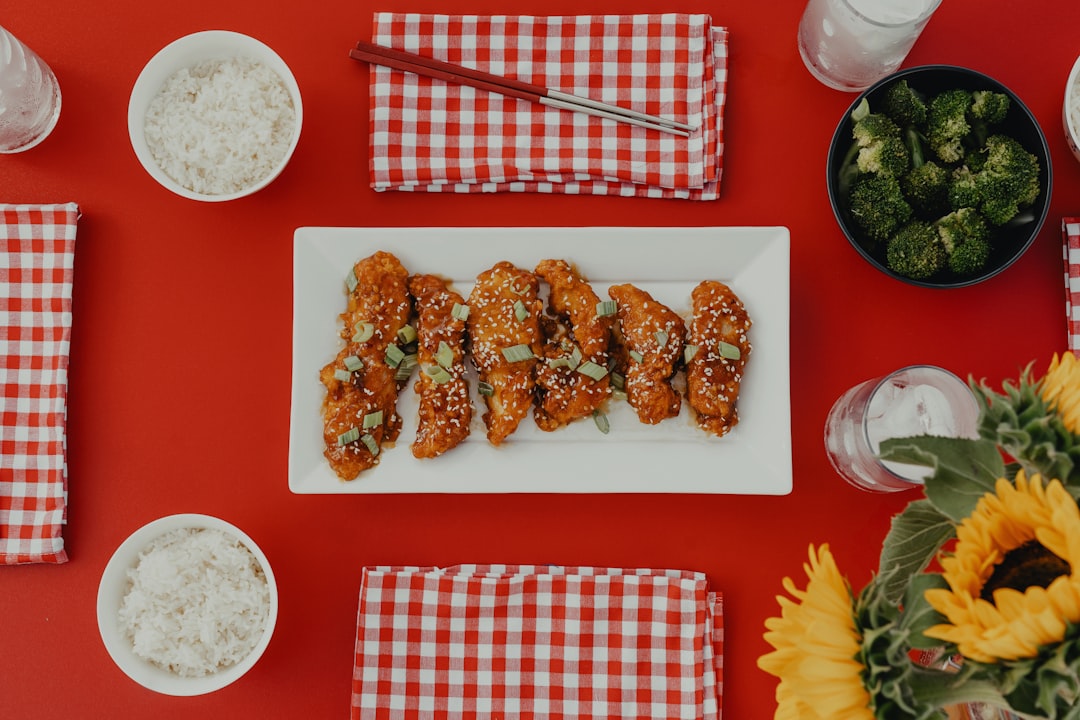 Top recipe
Soy Garlic Fried Chicken with Rice & Broccoli
Crispy pan-fried chicken thighs glazed in a glossy soy-garlic sauce, served with steamed rice and broccoli. Ready in 25 minutes with minimal cleanup.
Ingredients
- •chicken thighs, boneless and skinless
- •soy sauce
- •garlic, minced
- •brown sugar
- •white rice
- •fresh broccoli florets
Steps
- 1Bring 2 cups water to a boil in a small pot. Add rice and a pinch of salt, stir, then cover and reduce heat to low.
- 2While rice cooks, pat chicken thighs dry and season generously with salt and black pepper on both sides.
- 3Heat 2 tbsp oil in a large skillet over medium-high until shimmering. Add chicken and sear 5 minutes per side until golden brown and cooked through.
- 4Push chicken to the side. Add minced garlic to the empty space and cook 30 seconds until fragrant, then pour soy sauce and brown sugar over everything.
- 5Toss chicken to coat in the glossy sauce, cooking for 1 minute until it clings to the meat. Transfer to a plate.
- 6Steam broccoli in the skillet with 2 tbsp water and a pinch of salt, covered, for 3 minutes until tender-crisp.
- 7Divide rice, broccoli, and glazed chicken between bowls. Drizzle any remaining sauce over the chicken and serve hot.
Why this works
Broccoli, chicken, rice, and soy sauce form a nutritionally balanced, flavor-forward meal because each ingredient plays a crucial role. Soy sauce provides umami depth and saltiness that ties everything together, while chicken offers protein and richness. Rice acts as the perfect neutral base that absorbs the savory sauce, and broccoli adds texture, color, and vegetables to round out the dish.
These ingredients work together due to basic cooking chemistry: the high heat caramelizes the chicken's exterior while the soy sauce creates a glossy glaze. The broccoli's slight bitterness balances salty soy, and when stir-fried together, the flavors meld without overwhelming any single component. This is why Asian cuisines have relied on these ingredients for centuries—they're harmonious and efficient.
Cooking-wise, all components reach doneness at similar rates when cut properly, making this a one-pan or one-wok solution. The rice can be freshly cooked or day-old (day-old actually works better for fried rice), and the entire dish comes together in minimal time, making it ideal for weeknight dinners or meal prep.
More you can make
Open in CookSnap to unlock all of these.
Have different ingredients?
Try our free ingredient finder.
Open the recipe finder →Frequently asked
Can I use fresh garlic and ginger with just these ingredients?
Yes! While garlic and ginger aren't on your list, they're staple pantry items that elevate this dish significantly. The classic Soy Garlic Fried Chicken recipe calls for both. If you have them, mince fresh garlic and ginger and add them when cooking the chicken for maximum flavor.
Should I use raw or cooked chicken?
Raw chicken is best for stir-frying because it cooks quickly and evenly when cut into bite-sized pieces. Cut boneless, skinless breasts or thighs into 1-inch cubes, season lightly, and cook in a hot wok or skillet until golden before adding other ingredients.
What if I don't have day-old rice?
Fresh rice works, but it's stickier and won't fry as well. If you only have fresh rice, spread it on a plate to cool completely before stir-frying, or make a simple sauce-based dish instead of fried rice. Alternatively, cook your rice ahead and refrigerate it overnight.
What other recipes can I make with these four ingredients?
Beyond Soy Garlic Fried Chicken, try Cashew Chicken Stir-Fry with Rice (if you add cashews), 20-Min Yakitori Chicken with Rice, or Chicken Lo Mein (using rice noodles instead). Each brings different flavor profiles using your core ingredients.
How do I prevent the soy sauce from making everything too salty?
Use soy sauce in moderation—typically 2-3 tablespoons per 4 servings—and taste as you cook. Different soy sauces have varying salt levels; low-sodium versions are available if needed. Adding a touch of water or broth can dilute saltiness while keeping the umami flavor.
Want 15+ more meal ideas from your ingredients?
CookSnap finds dozens of recipes from a single fridge photo, with smart filters for diet, time, and macros.
Get CookSnap — Free