What Can I Make with Beef, Egg, Rice, and Spinach?
The best recipe for these ingredients is Beef Bibimbap with Gochujang Sauce—a vibrant Korean rice bowl that combines seasoned beef, spinach, egg, and rice in one satisfying dish. This classic combination works because each ingredient serves a purpose: the beef provides protein and umami depth, the egg adds richness, spinach contributes nutrients and texture, and rice acts as the perfect base to tie everything together.
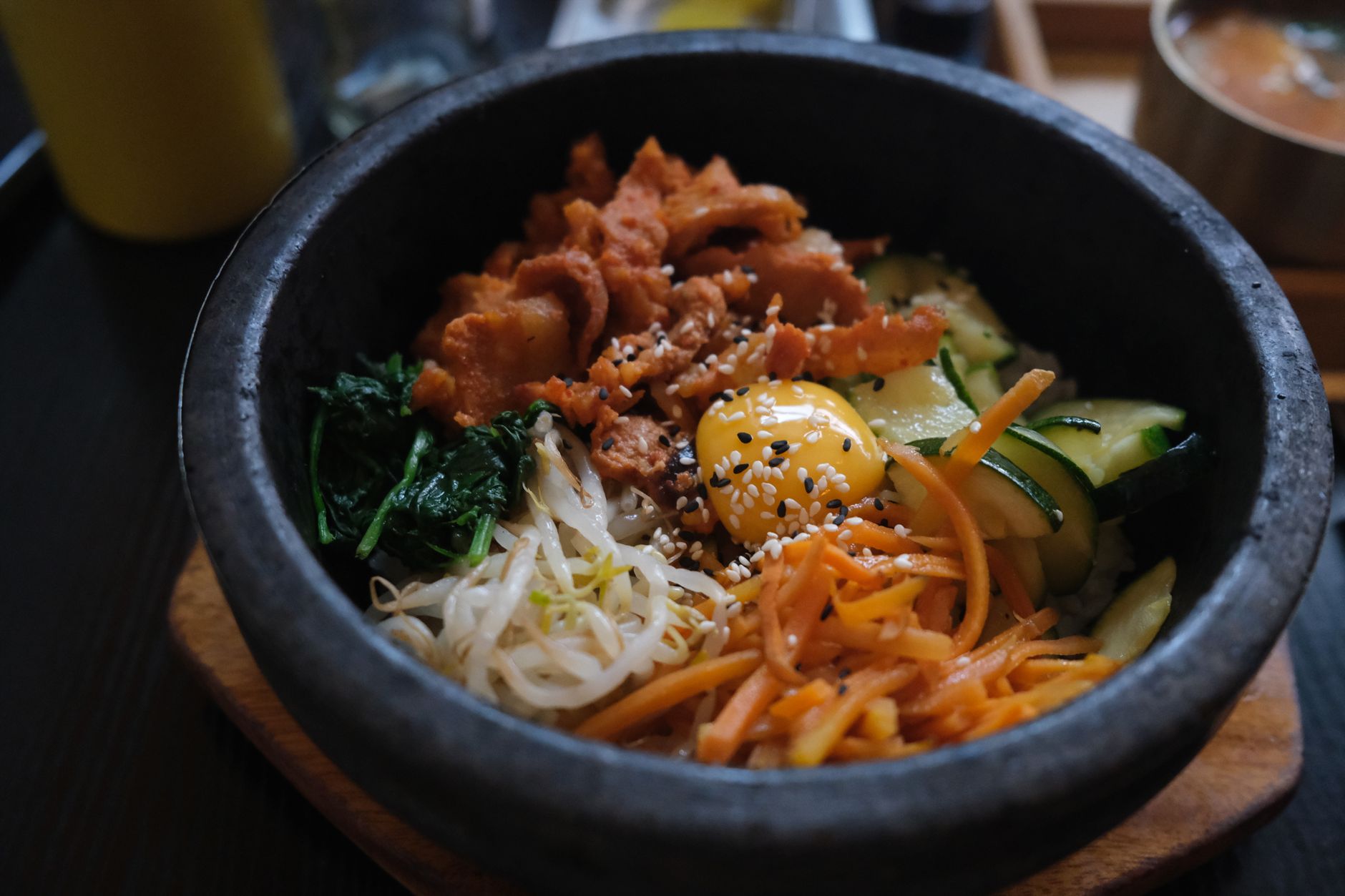 Top recipe
Beef Bibimbap with Gochujang Sauce
A colorful Korean rice bowl topped with seasoned beef, sautéed vegetables, a fried egg, and spicy-sweet gochujang sauce. Mix everything together and enjoy a complete meal in one bowl.
Ingredients
- •Short-grain white or brown rice
- •Ground beef (80/20)
- •Soy sauce
- •Sesame oil
- •Gochujang (Korean red chili paste)
- •Garlic, minced
- •Zucchini
- •Spinach, fresh
- •Carrot
- •Shiitake mushrooms
- •Eggs
- •Rice vinegar
- •Sesame seeds, white
Steps
- 1Place the zucchini on a cutting board and slice lengthwise into quarters (like cutting a cucumber in half, then cutting each half in half). Then slice each quarter crosswise into 1/4-inch-thick pieces so they look like small sticks.
- 2Place the carrot on a cutting board and slice lengthwise into thin sticks about 1/8-inch thick and 2 inches long, like matchsticks. You should have roughly a handful of carrot sticks.
- 3Place each mushroom cap stem-side down on the cutting board and slice straight down through the cap into 1/4-inch-thick slices, like slicing bread. Discard any woody stems.
- 4Mince the garlic until the pieces are smaller than a grain of rice — about the size of pencil-tip dots when you look at them on the cutting board.
- 5In a small bowl, whisk together 2 tablespoons soy sauce, 0.5 teaspoon sesame oil, and the minced garlic using a fork until evenly mixed. This is the beef marinade.
- 6In another small bowl, whisk together 2 tablespoons gochujang, 1 tablespoon sesame oil, 1 tablespoon soy sauce, and 2 tablespoons water until smooth, with no lumps. This is the sauce.
- 7Heat a 12-inch skillet over medium-high heat until it is hot — you should be able to hold your hand 3 inches above the surface for only 2–3 seconds before pulling away, about 2 minutes.
- 8Add the ground beef to the hot skillet and break it into pea-sized pieces using a wooden spoon, stirring constantly. Cook until no pink remains and the meat is light brown, about 5 minutes.
- 9Pour the beef marinade (soy sauce, sesame oil, and garlic mixture) over the cooked beef and stir for 30 seconds until the beef is evenly coated and smells fragrant.
- 10Transfer the seasoned beef to a clean plate and set aside. Wipe out the skillet with a paper towel but do not wash it.
- 11Return the skillet to medium-high heat. Add the zucchini pieces and cook, stirring once every 30 seconds, until they turn golden and slightly soft, about 4 minutes. Transfer to the plate with the beef.
- 12Add the carrot sticks to the same skillet and cook, stirring once every 30 seconds, until they soften slightly and the edges turn golden, about 3 minutes. Transfer to the plate.
- 13Add the mushroom slices to the skillet and cook, stirring once every 30 seconds, until they release their liquid and turn dark golden brown, about 4 minutes. Transfer to the plate.
- 14Place the spinach in the hot skillet — it will wilt immediately. Stir for 30 seconds until all the spinach has turned dark green and released its liquid. Transfer to the plate.
- 15Add 1 tablespoon sesame oil to the same skillet over medium-high heat. Crack both eggs into the pan and cook without stirring until the whites turn opaque and set but the yolk is still runny, about 3 minutes.
- 16Divide the cooked rice evenly between two large bowls, spreading it in an even layer on the bottom of each bowl.
- 17Arrange the beef in a small pile on one side of the rice. Place the zucchini in a small pile next to the beef, then the carrot, then the mushrooms, then the spinach, each in its own small pile around the bowl.
- 18Carefully slide one fried egg on top of the rice in the center of each bowl, placing it in the middle where all the vegetable and beef piles meet.
- 19Spoon 1 tablespoon of the gochujang sauce on top of the egg in each bowl, allowing it to drip down onto the rice.
- 20Sprinkle 1.5 teaspoons sesame seeds over the top of each bowl, distributing them evenly across the surface.
- 21Serve the bowls to the table and drizzle 0.5 teaspoon rice vinegar over each one, then stir everything together with a spoon until well mixed before eating.
Why this works
These four ingredients create a perfectly balanced meal because they represent all the essential components of a complete dish: protein, carbohydrates, vegetables, and a binding element. The beef and egg work synergistically to create a rich, savory foundation, while spinach adds a fresh, slightly bitter contrast that cuts through the richness. Rice serves as both a neutral canvas and structural element that lets the other flavors shine while providing satisfying bulk.
From a cooking perspective, these ingredients have complementary cooking times and techniques. The beef can be quickly seared or marinated for added flavor, the spinach wilts down in minutes with minimal effort, and the egg—whether fried, scrambled, or soft-boiled—cooks rapidly and adds a creamy texture. The rice, typically prepared in advance, provides flexibility in plating and presentation.
Flavor-wise, this combination allows for multiple culinary directions. Korean bibimbap is the most popular application, but you can also create Asian stir-fries, Spanish rice dishes, or fusion bowls by adjusting your seasonings and sauce choices.
More you can make
Open in CookSnap to unlock all of these.
Have different ingredients?
Try our free ingredient finder.
Open the recipe finder →Frequently asked
Can I substitute spinach with other greens?
Absolutely. Kale, bok choy, arugula, or even broccoli work beautifully with beef and egg. Adjust cooking time based on the green's thickness—heartier greens may need 1-2 minutes longer than tender spinach.
What type of beef works best for this dish?
Ground beef is ideal for quick, even cooking and easy mixing into rice bowls. For strips or chunks, use tender cuts like sirloin, ribeye, or flank steak sliced thinly. Marinating in soy sauce and sesame oil enhances flavor significantly.
How do I prepare the egg—fried, scrambled, or soft-boiled?
For authentic bibimbap, a fried egg with a runny yolk is traditional—the yolk mixes with the rice and sauce. However, scrambled or soft-boiled eggs work too. A runny yolk adds richness and acts as a sauce, so it's the best choice for maximum flavor.
What sauce should I use if I don't have gochujang?
Soy sauce with sesame oil and garlic is a great substitute. For heat, add sriracha, chili flakes, or hot sauce. Alternatively, try a teriyaki glaze or even a simple soy-butter reduction for an Asian-inspired base.
Can I make other dishes with these same ingredients?
Yes! Try Korean Beef Kimbap (similar to sushi rolls), a quick stir-fry served over rice, or a deconstructed salad. You can also make a hearty beef fried rice with scrambled egg and wilted spinach stirred throughout.
Want 15+ more meal ideas from your ingredients?
CookSnap finds dozens of recipes from a single fridge photo, with smart filters for diet, time, and macros.
Get CookSnap — Free