Miso Soup with Shiitake and Silken Tofu
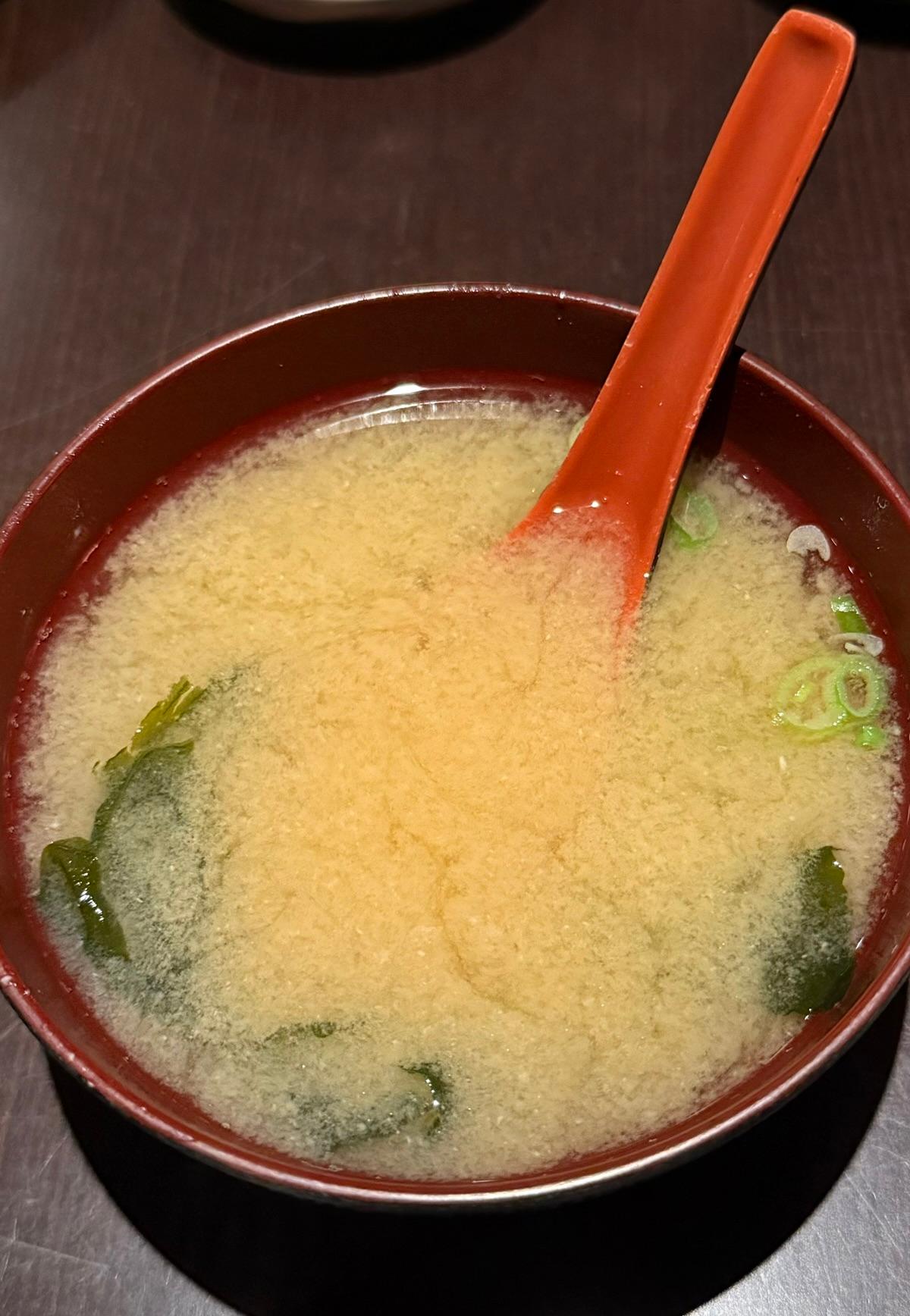
A clean, deeply savory Japanese broth built on homemade dashi fortified with dried shiitake mushrooms, finished with white miso, silken tofu, wakame seaweed, and sliced green onion. The shiitake in the dashi creates a synergistic umami depth that plain dashi alone doesn't reach.
- Total time
- 25 min
- Servings
- 4
- Calories
- 80
- Protein
- 6g
Ingredients
- 4 cups cold water
- 1 piece dried kombu, about 4x4 inches (dried kelp — found in Asian grocery stores and most health food stores; kombu is what creates the base umami of dashi and should not be skipped)
- 3 dried shiitake mushrooms — this is the twist; the glutamates in kombu and the guanylate in shiitake create a synergistic umami effect that makes the dashi noticeably deeper and more complex than using kombu alone
- 1 cup loosely packed katsuobushi / dried bonito flakes (skip for vegan — the kombu-shiitake dashi is excellent without it)
- 3 to 4 tbsp white miso paste / shiro miso — start with 3 and add more to taste; white miso is mild, slightly sweet, and the most accessible type for beginners
- 4 oz silken tofu, cut into 1/2-inch cubes
- 1 tbsp dried wakame seaweed — it looks like almost nothing in its dried form but expands dramatically in water; soak in cold water for 5 minutes before adding
- 3 green onions, thinly sliced into rounds
Instructions
- 1
Start the dashi. Place the dried kombu and dried shiitake mushrooms in a medium saucepan with 4 cups of cold water. Let them soak together for 10 minutes at room temperature before turning on the heat — cold soaking draws out their flavor more gently and produces a cleaner broth than starting from heat.
- 2
Place the saucepan over medium-low heat. Heat the water very slowly until it is just about to boil — you will see small bubbles beginning to form along the bottom and edges. This should take 8 to 10 minutes. Do not let it reach a full rolling boil at this stage.
- 3
The moment before the water boils, remove the kombu with tongs and discard it. Boiling kombu releases bitter compounds and can make the broth slimy — pull it out just before the boil every time.
- 4
If using bonito flakes: increase the heat to bring the dashi to a full boil, then immediately add the bonito flakes. Turn off the heat and let the flakes steep in the hot liquid for 4 to 5 minutes without stirring — they will sink naturally as they absorb liquid.
- 5
Strain the dashi through a fine-mesh sieve into a clean bowl or pot, pressing gently on the bonito flakes to extract all the liquid. Remove and discard the bonito flakes. Remove the shiitake mushrooms from the strainer — do not discard them. Slice them thinly and return the slices to the strained dashi. The rehydrated shiitake slices are now a bonus topping with intense umami flavor.
- 6
Place the dried wakame in a small bowl of cold water and let soak for 5 minutes. It will expand considerably. Drain and gently squeeze out excess water. Cut into smaller pieces if the rehydrated pieces are very large.
- 7
Return the dashi to the saucepan over medium-low heat. Bring to a gentle simmer. Add the silken tofu cubes and the rehydrated wakame. Let warm for 2 minutes — silken tofu is already fully cooked and only needs to be gently warmed through; aggressive simmering will break it apart.
- 8
Remove the pan from the heat entirely before adding miso. Boiling miso destroys its beneficial probiotic cultures and significantly diminishes its flavor and aroma — miso should never be boiled. Ladle about 1/4 cup of the hot dashi into a small bowl. Add the miso paste to this small bowl and whisk it vigorously until completely smooth with no lumps. This step is critical for avoiding dense clumps of undissolved miso paste in the finished soup.
- 9
Pour the dissolved miso mixture back into the main pot and stir gently to distribute it evenly through the broth. Taste the soup. It should taste savory, clean, and balanced — not aggressively salty. Adjust with a small additional amount of miso if needed, repeating the dissolving step each time.
- 10
Ladle into bowls immediately. Scatter sliced green onion over each bowl. Serve right away — miso soup is best in the first few minutes before the tofu settles and the miso flavor begins to flatten.
Cook smarter
Get matched recipes for what’s in your fridge
CookSnap is a free iOS app that finds real recipes from the ingredients you already have. No more grocery-list aspirations.