Sashimi Moriawase Platter
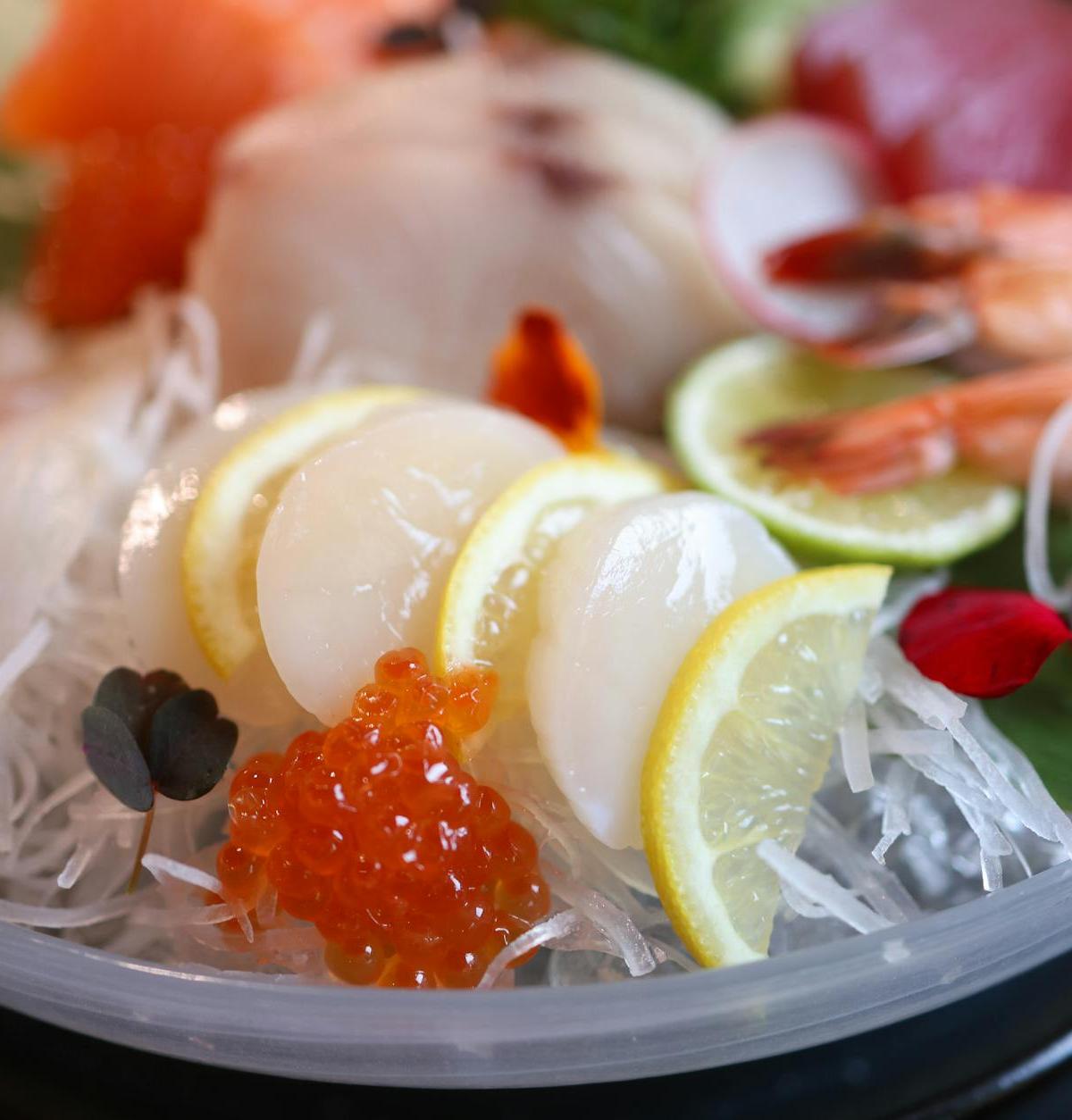
A stunning Japanese platter of pristine raw fish sliced to perfection and artfully arranged with garnishes. This restaurant-quality presentation celebrates the delicate flavors of sashimi-grade seafood.
- Total time
- 20 min
- Servings
- 2
- Calories
- 185
- Protein
- 28g
Ingredients
- 4 oz sashimi-grade tuna (maguro)
- 4 oz sashimi-grade salmon (sake)
- 3 oz sashimi-grade yellowtail (hamachi)
- 3 oz sashimi-grade scallop (hotate)
- 2 oz sashimi-grade squid (ika)
- 1 oz sashimi-grade sea urchin roe (uni)
- 4 oz daikon radish, peeled
- 6 leaves shiso leaves (Japanese perilla)
- ½ oz fresh wasabi root
- 3 tablespoon soy sauce (shoyu)
- 1 tablespoon rice vinegar
- ½ teaspoon mirin (sweet rice wine)
- ¼ teaspoon sea salt
- 1 sheet nori (seaweed), for garnish
- ½ cup microgreens or daikon sprouts
- 1 tablespoon tobiko (flying fish roe), optional
Instructions
- 1
About 15 minutes before serving, remove all sashimi-grade fish and seafood from the refrigerator and let them sit at cool room temperature — this allows the natural flavors to shine without numbing your palate with cold. Keep them on a cold plate or bed of ice.
- 2
Using a sharp, wet knife (wet the blade between each cut to prevent sticking), slice the 4 oz tuna against the grain into six pieces, each about 1/4-inch thick and roughly 2 inches long — the knife should glide through with minimal pressure, never saw. Arrange the slices slightly overlapping on the left side of a large white ceramic platter.
- 3
Slice the 4 oz salmon the same way into six pieces. The flesh should be buttery and translucent — if it looks opaque or chalky, the fish was not sashimi grade. Arrange the salmon slices in the upper-middle area of the platter.
- 4
Slice the 3 oz yellowtail into five or six pieces using the same technique. Yellowtail should be pale and delicate. Place the slices in the lower-middle section of the platter.
- 5
Using a clean, wet knife, carefully slice the 3 oz scallop horizontally into paper-thin rounds, about 1/8-inch thick — scallop is very tender, so use only the gentlest pressure. Arrange the slices in the lower-right area of the platter.
- 6
Score the 2 oz squid in a crosshatch pattern by making shallow parallel cuts at a 45-degree angle, then rotate the squid and make perpendicular cuts — this creates a traditional look and aids tenderness. Slice the squid into thin strips and arrange in the upper-right area.
- 7
Peel the 4 oz daikon radish and using a benriner or vegetable slicer, shave it into thin ribbons. Bunch them loosely and use them as a bed beneath all the sashimi — daikon provides palate-cleansing flavor and elevates the fish visually.
- 8
Using a microplane or the smallest holes on a box grater, grate the 0.5 oz fresh wasabi root into a fine powder. Do this just before serving — fresh wasabi loses its potency quickly once grated. Place a small mound of wasabi in the center of the platter.
- 9
Arrange the 6 shiso leaves decoratively around the platter — their green color and shape add visual interest. Snip one sheet of nori into thin strips using kitchen scissors and scatter the pieces across the platter as a garnish.
- 10
Spoon the 1 oz uni (sea urchin roe) into the center, nestling it next to the wasabi. Uni should be soft and creamy, never hard — if it looks crystallized or dry, it was not properly stored. Top the platter with the 0.5 cup microgreens and add 1 tablespoon tobiko (if using) for color and a pop of briny flavor.
- 11
In a small dish, whisk together 3 tablespoons soy sauce, 1 tablespoon rice vinegar, 0.5 teaspoon mirin, and a pinch of 0.25 teaspoon sea salt. Stir gently to dissolve the salt — this sauce should taste balanced between salty, tart, and subtly sweet. Taste and adjust; add more vinegar for brightness or a touch more soy for depth.
- 12
Pour the dipping sauce into two small shallow ceramic bowls or sake cups and place them at the edge of the platter. The cool sauce is meant to be sipped between bites of sashimi, never to soak the fish — the goal is to enhance, not mask, the delicate seafood.
- 13
Present the platter to your guests immediately — sashimi is best enjoyed within 5 minutes of slicing, while each piece is still at its peak texture and flavor. Provide small ceramic spoons or chopsticks for each guest.
- 14
Instruct guests to take a small piece of fish, dab it lightly in the dipping sauce, and pair it with a tiny amount of the grated wasabi — less is more, as fresh wasabi is intensely pungent. Encourage them to enjoy the daikon ribbons between bites to cleanse the palate and prepare for the next flavor.
Tools you’ll need
- sharp sashimi knife or long-bladed chef's knife
- cutting board (preferably wood or bamboo, well-chilled)
- wet cloth or paper towels for wiping the blade
- microplane or box grater
- benriner or mandoline slicer
- kitchen scissors
- large white ceramic platter
- two small ceramic bowls or sake cups
- small whisk
- wooden spoon or chopsticks
Cook smarter
Get matched recipes for what’s in your fridge
CookSnap is a free iOS app that finds real recipes from the ingredients you already have. No more grocery-list aspirations.