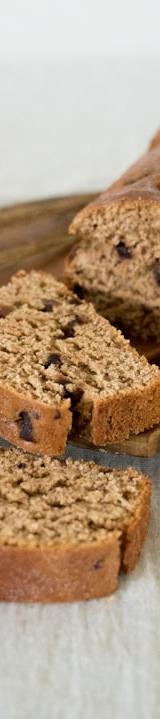
Nordic Sourdough Rye Bread
Dense, earthy Nordic rye bread with a complex flavor from sourdough and whole grains. This slow-fermented loaf keeps for days and pairs beautifully with butter, cheese, or cured fish.
- Total time
- 480 min
- Servings
- 1
- Calories
- 320
- Protein
- 9g
Ingredients
- 200 g rye sourdough starter, active and bubbly
- 350 g whole rye flour
- 150 g bread flour (or all-purpose flour)
- 400 ml water, room temperature
- 10 g fine sea salt
- 1 tablespoon caraway seeds (optional)
- ½ tablespoon fennel seeds (optional)
Instructions
- 1
Check that your rye sourdough starter is active and bubbly — it should smell pleasantly tangy and show clear signs of fermentation (bubbles throughout, risen visibly, maybe with a thin liquid on top). If your starter needs feeding, mix 50g starter with 50g whole rye flour and 50ml water, let sit at room temperature for 8–12 hours until bubbly, then use.
- 2
In a large mixing bowl, combine 200g active rye sourdough starter, 350g whole rye flour, 150g bread flour, and 400ml room-temperature water. Use a sturdy wooden spoon or your hands to mix until no dry flour remains — the dough will be quite sticky and shaggy, much wetter than a typical bread dough. This is normal for ruisleipä.
- 3
Let the dough rest (called autolyse) for 30 minutes at room temperature, uncovered. This allows the rye flour to fully absorb water and begin developing gluten naturally.
- 4
Sprinkle 10g fine sea salt, 1 tablespoon caraway seeds, and 0.5 tablespoon fennel seeds (if using) over the dough. Fold everything together with wet hands for 3–4 minutes, turning the dough in on itself repeatedly. The dough should come together into a cohesive mass — it will still be quite tacky.
- 5
Transfer the dough to a lightly oiled 2-quart mixing bowl. Cover loosely with a kitchen towel or plastic wrap. Let it ferment at room temperature (68–72°F is ideal) for 4–5 hours. The dough should increase in volume by about 50% and feel noticeably airier when you gently press the surface — you should see bubbles just under the skin.
- 6
Halfway through fermentation (around 2–2.5 hours), perform a gentle stretch-and-fold: wet your hand, reach under the dough, pull it up and over itself from one side, rotating the bowl 90 degrees. Repeat 4 times around the bowl. This strengthens the dough without aggressive kneading.
- 7
Dust a banneton proofing basket (or a bowl lined with a floured kitchen towel) generously with whole rye flour. Turn the dough out onto a lightly oiled work surface.
- 8
Shape the dough gently: with wet hands, fold the edges toward the center, creating tension on the surface. Flip it seam-side down, then cup your hands around it and gently roll it toward you, shaping it into a round boule. The goal is a cohesive, gently tensioned surface.
- 9
Place the dough seam-side up in the floured banneton. Cover loosely with a kitchen towel and let it proof for 2–3 hours at room temperature, or refrigerate overnight (8–12 hours). Cold, slow fermentation deepens the flavor — if you refrigerate, bring the dough to room temperature for 30 minutes before baking.
- 10
Preheat your oven to 450°F (230°C). Place a Dutch oven (with lid) inside to preheat for at least 30 minutes. The vessel traps steam, which gives ruisleipä its characteristic dense crumb and chewy crust.
- 11
Turn the proofed dough out onto parchment paper. Score the top with a sharp knife or lame — a simple cross or single slash, about 0.25 inches deep. This controls where the bread expands.
- 12
Carefully lift the parchment paper with the dough and place it in the hot Dutch oven. Cover with the lid and bake for 30 minutes. You should hear the dough sizzle as it hits the steam-filled environment.
- 13
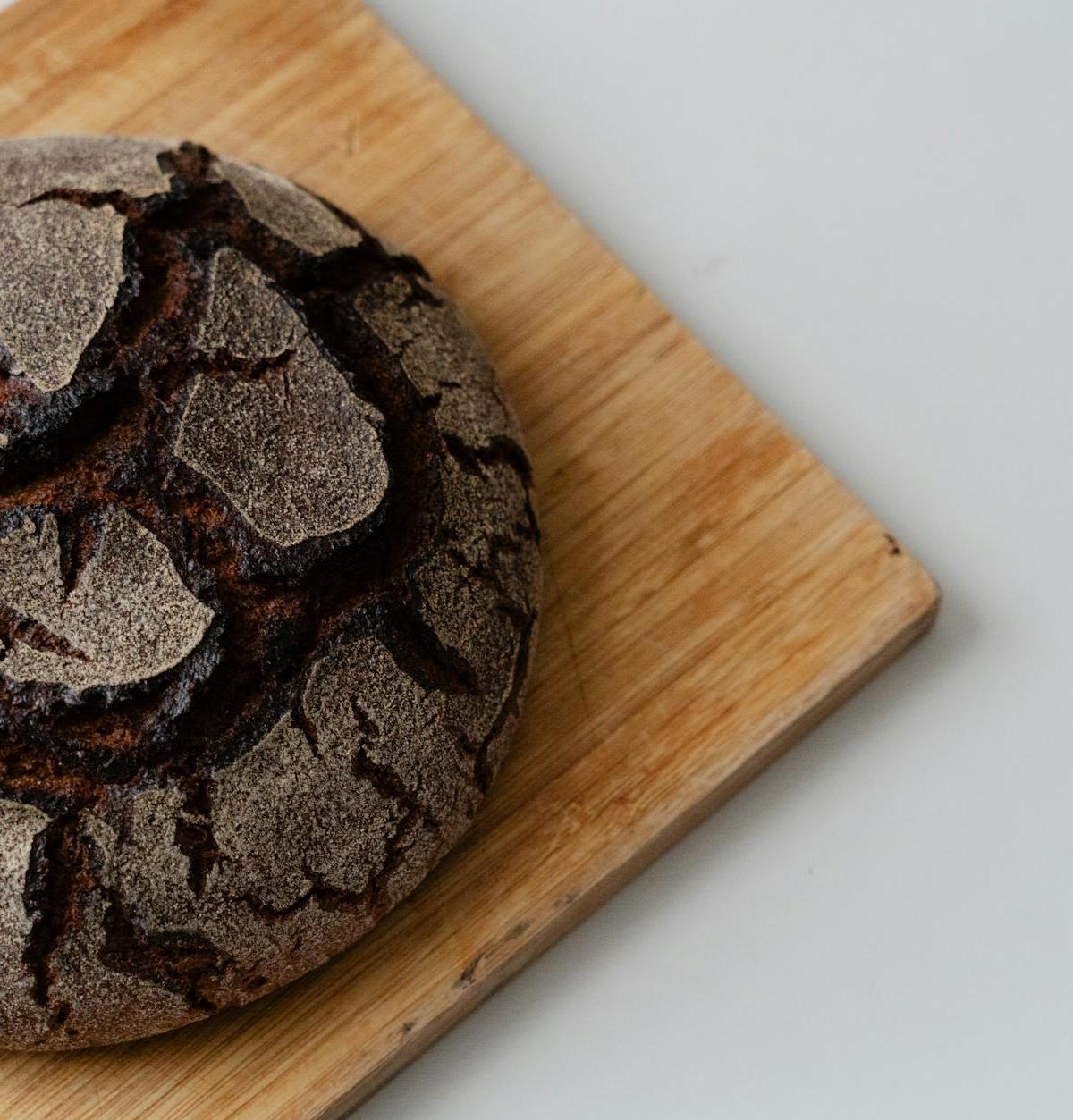
Remove the lid and bake for another 25–35 minutes, until the crust is deep mahogany brown and sounds hollow when you tap the bottom — use an instant-read thermometer to verify the internal temperature has reached 205–210°F (96–99°C). The longer bake develops the characteristic dark crust of authentic ruisleipä.
- 14
Transfer the loaf to a wire cooling rack and let it cool completely — at least 3–4 hours, ideally overnight. This allows the crumb to set fully. Ruisleipä tastes even better the next day, and it keeps fresh for 4–5 days wrapped in a kitchen towel at room temperature.
Tools you’ll need
- large mixing bowl
- sturdy wooden spoon or hands
- 2-quart mixing bowl
- kitchen towel or plastic wrap
- banneton proofing basket or bowl with towel
- Dutch oven with lid
- parchment paper
- sharp bread knife or lame
- instant-read thermometer
- wire cooling rack
Cook smarter
Get matched recipes for what’s in your fridge
CookSnap is a free iOS app that finds real recipes from the ingredients you already have. No more grocery-list aspirations.