Sicilian Pasta with Sardines and Fennel
A rustic Sardinian pasta with fresh sardines, wild fennel, and saffron—bright, briny, and deeply flavorful. This iconic dish celebrates simple ingredients transformed by careful technique and bold aromatics.
- Total time
- 35 min
- Servings
- 4
- Calories
- 520
- Protein
- 32g
Ingredients
- 1 lb fresh sardine fillets, skin-on
- 1 teaspoon kosher salt
- ½ teaspoon black pepper
- ¼ teaspoon saffron threads
- 2 tablespoons warm water
- 5 tablespoons extra-virgin olive oil
- 3 clove garlic cloves
- 1 cup wild fennel fronds (or fresh dill if unavailable)
- 1 tablespoon tomato paste
- ½ cup dry white wine
- 1 lb whole wheat pasta (traditionally malloreddus or bucatini)
Instructions
- 1
Pinch 0.25 teaspoon saffron threads and place them in a small bowl. Pour 2 tablespoons of warm water over the saffron and set aside for 10 minutes — the water will turn golden and the threads will soften, releasing their earthy, floral notes.
- 2
Pat your 1 lb fresh sardine fillets completely dry with paper towels, working gently to avoid tearing the delicate flesh. Season both sides lightly with 0.5 teaspoon kosher salt and 0.25 teaspoon black pepper. Set on a plate.
- 3
Peel and thinly slice 3 garlic cloves on a bias — this exposes more surface area for even cooking. Roughly chop 1 cup of wild fennel fronds (or fresh dill if wild fennel is unavailable). Keep the garlic and fennel separate for now.
- 4
Set a 12-inch heavy-bottomed skillet over medium heat. Once preheated, add 5 tablespoons extra-virgin olive oil and let it warm for 1 minute until it shimmers. Add the sliced garlic and cook, stirring constantly, until it turns pale golden and fragrant, about 1-2 minutes. You should smell the garlic releasing its sweet, pungent aroma — do not let it brown or it will turn bitter.
- 5
Gently add the seasoned sardine fillets to the oil, skin-side down first. Let them cook undisturbed for 2-3 minutes until the skin begins to crisp and the flesh starts to turn opaque. Carefully flip each fillet using a fish spatula and cook for another 1-2 minutes on the other side. The sardines should flake apart easily when tested with a fork — do not overcook or they will become dry and bitter.
- 6
Once the sardines are just cooked through, gently break them apart into bite-sized pieces using a wooden spoon, leaving some texture — do not puree them into a paste. Add 1 tablespoon of tomato paste and stir to combine, cooking for 1 minute until the paste darkens slightly and loses its raw edge.
- 7
Pour in 0.5 cup dry white wine, scraping the bottom of the skillet with a wooden spoon to release any flavorful browned bits. Let the wine reduce by half, about 3-4 minutes, until it becomes syrupy and the sharp alcohol smell fades. You should see small bubbles breaking the surface and smell a sweet, concentrated wine aroma.
- 8
Stir in the reserved saffron water (including the softened threads) and the 1 cup chopped wild fennel fronds. Cook for another 2 minutes, stirring gently, until the fennel begins to wilt and the sauce turns a pale golden color. Remove from heat and taste — adjust salt and pepper as needed. The sauce should taste briny, aromatic, and balanced.
- 9
While the sauce finishes, bring a large pot of salted water (it should taste like the sea) to a rolling boil over high heat. Add 1 lb whole wheat pasta (traditionally malloreddus, a Sardinian hand-rolled pasta, or bucatini as a substitute) and cook, stirring occasionally, until 1 minute before al dente — the pasta should be just tender with a slight firmness at the bite.
- 10
Reserve 1 cup of starchy pasta cooking water, then drain the pasta in a colander. Pour the hot pasta directly into the sardine sauce, adding 0.5 cup of the reserved pasta water. Gently toss over low heat for 1-2 minutes, letting the starch from the pasta water emulsify into the oil and create a silky sauce that coats each strand. If the sauce seems too thick, add a splash more pasta water — it should flow slightly when plated, not clump.
- 11
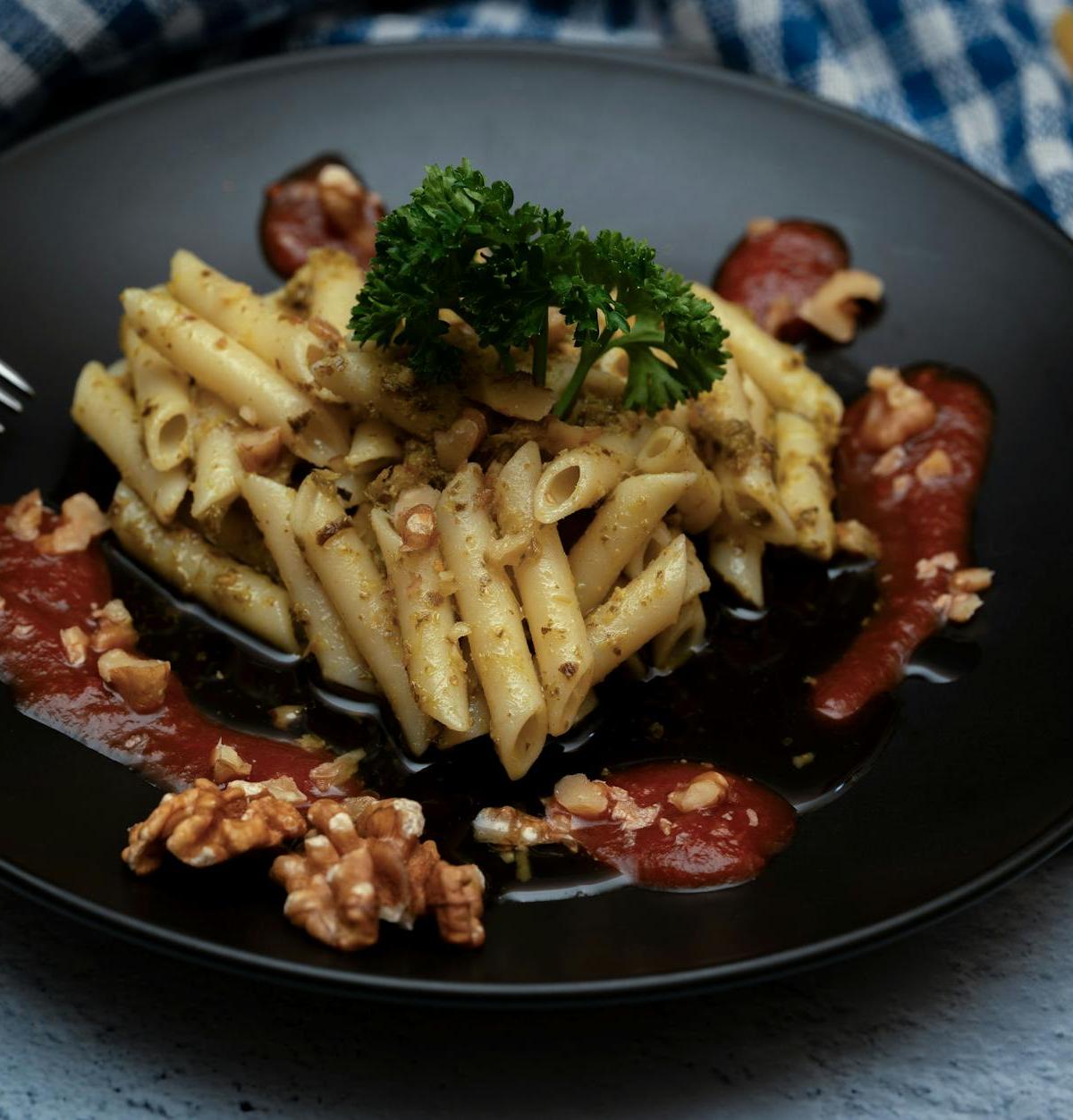
Divide the pasta equally among four shallow bowls. Drizzle each serving with a final generous pour of extra-virgin olive oil and a whisper of freshly ground black pepper. Serve immediately while the pasta is steaming hot — the heat will intensify the saffron and fennel aromatics.
Tools you’ll need
- small bowl
- paper towels
- 12-inch heavy-bottomed skillet
- wooden spoon
- fish spatula
- large pot
- colander
- shallow bowls
Cook smarter
Get matched recipes for what’s in your fridge
CookSnap is a free iOS app that finds real recipes from the ingredients you already have. No more grocery-list aspirations.