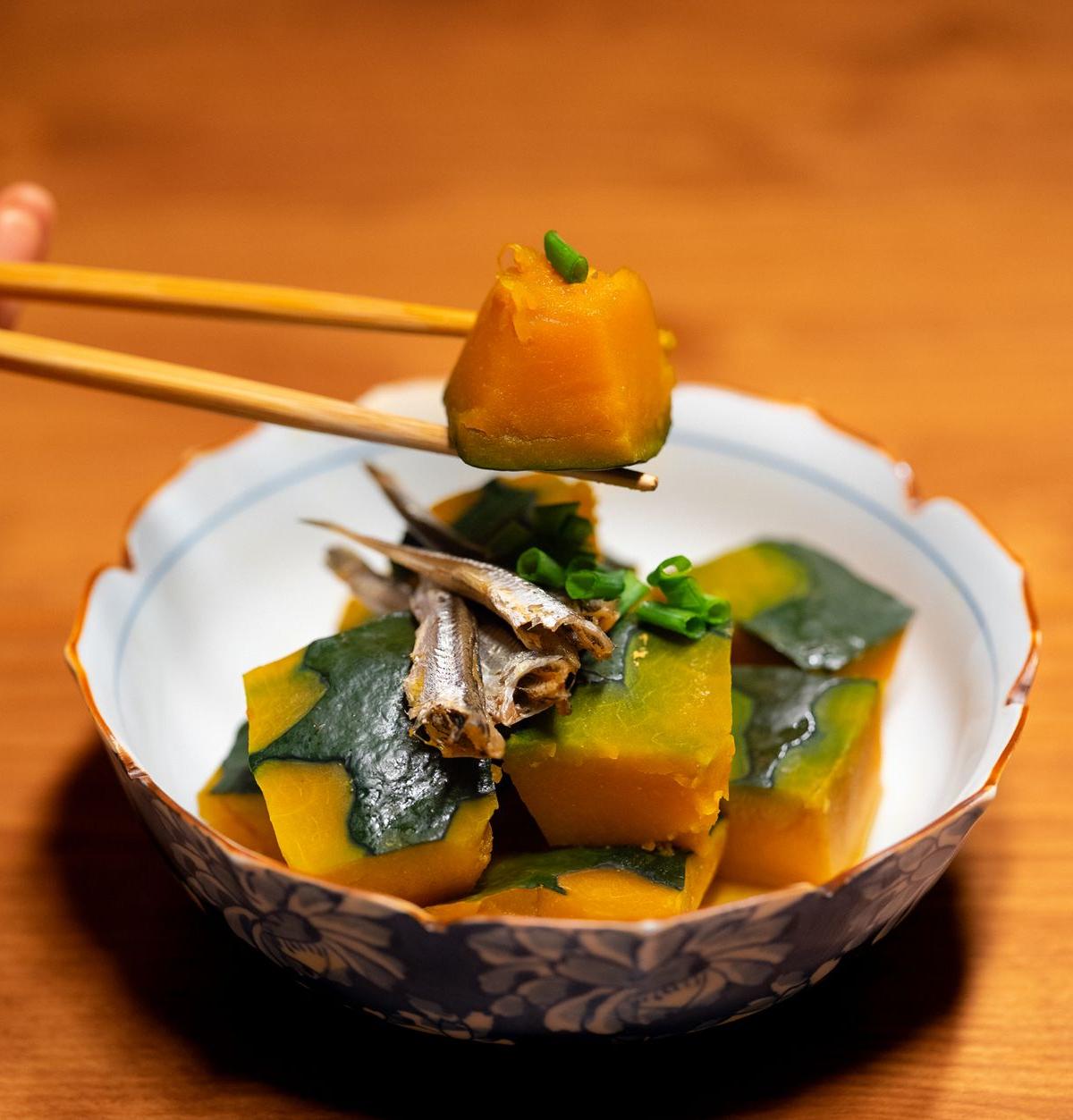
Japanese Braised Vegetables in Dashi
A delicate Japanese braise of tender vegetables in a light dashi-based broth, finished with mirin and soy for subtle sweetness and depth. Simple, elegant comfort food that celebrates seasonal produce with minimal intervention.
- Total time
- 35 min
- Servings
- 4
- Calories
- 85
- Protein
- 3g
Ingredients
- 2 cups dashi stock (kombu and bonito, or vegetable-based)
- 2 tablespoons low-sodium soy sauce
- 1 tablespoon mirin (sweet rice wine)
- ¼ teaspoon fine sea salt
- 2 whole medium carrots
- 1 whole medium Japanese eggplant or zucchini
- 4 ounces fresh shiitake mushroom caps
- 6 ounces baby bok choy or mizuna greens
- ½ inch piece fresh ginger root
- 2 whole scallions, white and light green parts
Instructions
- 1
Prepare your mise en place. Peel 2 medium carrots and cut them on the bias (at a 45-degree angle) into 2-inch lengths — this exposes more surface area and creates an elegant, restaurant-style presentation. Cut 1 medium Japanese eggplant or zucchini into 2-inch rounds, then halve each round so you have clean, flat pieces.
- 2
Wipe 4 ounces of fresh shiitake mushroom caps clean with a damp towel (do not soak). Trim the stems and leave caps whole or halve any large ones. Wash 6 ounces of baby bok choy or mizuna greens and trim the base of the stems.
- 3
Peel a 0.5-inch piece of fresh ginger with the side of a spoon, then slice it into thin half-moons. Slice 2 scallions (white and light green parts only) into 2-inch pieces on the bias, keeping them separate from the dark green tops — you'll use those for garnish at the end.
- 4
Pour 2 cups of dashi stock into a medium saucepan (about 3-quart capacity) and set it over medium-high heat. Add the ginger slices and the white and light green scallion pieces. Bring the liquid to a gentle simmer — you should see small bubbles slowly breaking the surface, not a rolling boil.
- 5
Once simmering, add the carrot pieces first, as they take longest to cook. Simmer for 3-4 minutes until they just begin to soften but still have a slight bite when you test with a fork.
- 6
Add the eggplant or zucchini pieces and the shiitake mushroom caps to the pot. Stir gently to submerge everything. Continue simmering for 3-4 minutes more until the eggplant is tender but still holds its shape.
- 7
Pour in 2 tablespoons of low-sodium soy sauce and 1 tablespoon of mirin. Stir gently to combine. The broth should taste subtly savory and slightly sweet — if it tastes too salty, add 1-2 tablespoons of water to balance it. If it tastes flat, add another pinch of salt.
- 8
Add the bok choy or mizuna greens and stir gently. Simmer for 1-2 minutes more, just until the greens turn bright green and wilt slightly — they should still have a whisper of firmness. Do not overcook, or they will become mushy and bitter.
- 9
Remove the pot from heat and taste the broth one final time. The flavor should be delicate and balanced — never harsh or one-dimensional. Distribute the vegetables and broth evenly among four shallow serving bowls, being careful to include some of the ginger and scallion pieces from the broth in each bowl.
- 10
Thinly slice the reserved dark green scallion tops on the bias and scatter them over each bowl as a fresh, sharp garnish. Serve immediately while the vegetables are still warm and the greens are bright.
Tools you’ll need
- 3-quart saucepan with lid
- sharp chef's knife
- cutting board
- spoon for peeling ginger
- damp kitchen towel
- wooden spoon or silicone spatula
- four shallow bowls or serving dishes
Cook smarter
Get matched recipes for what’s in your fridge
CookSnap is a free iOS app that finds real recipes from the ingredients you already have. No more grocery-list aspirations.