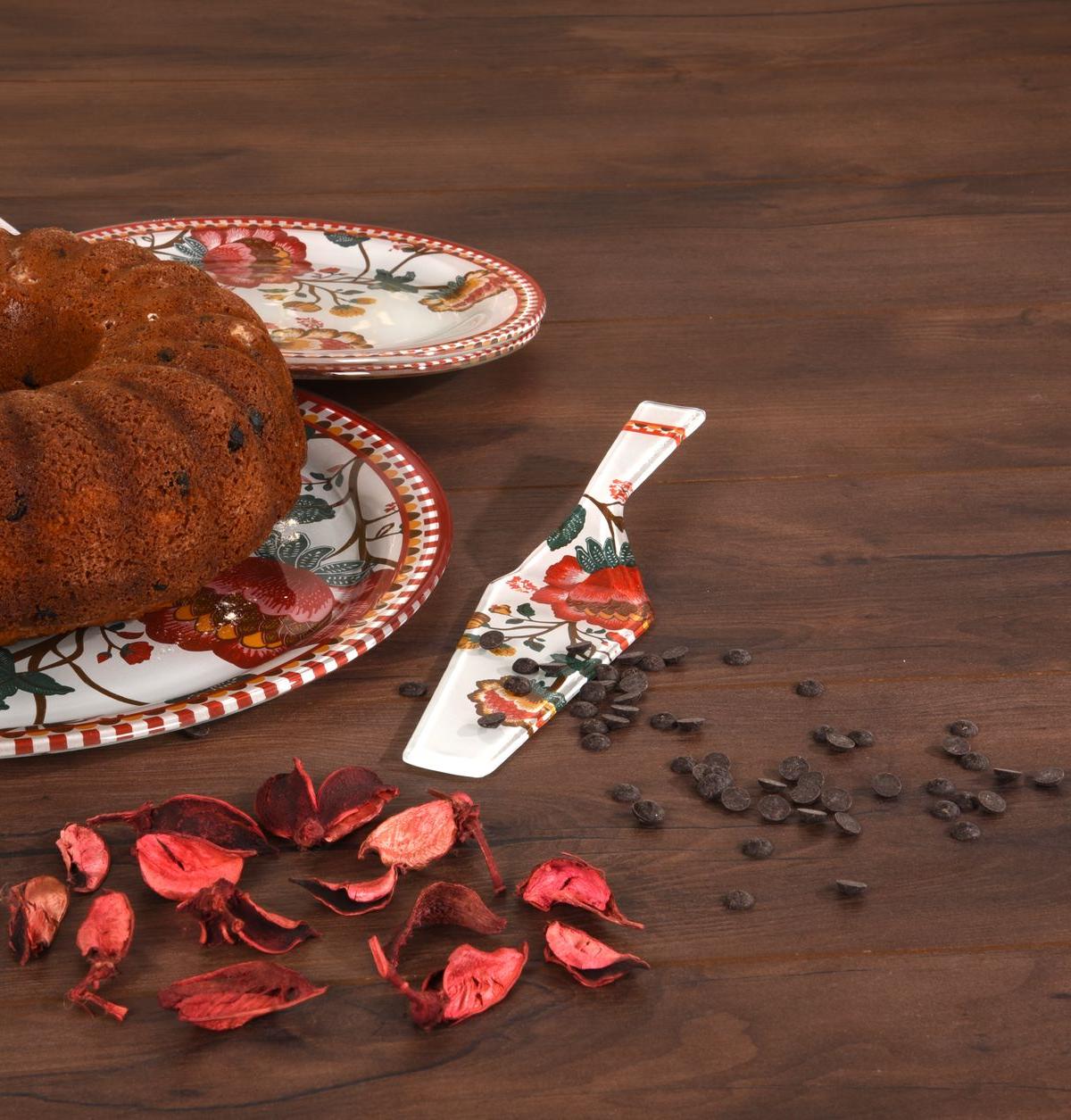
Alsatian Yeasted Raisin Ring Cake
A rich, yeasted Alsatian cake studded with dried fruit and nuts, baked in a distinctive ring mold. This showstopping breakfast or dessert is worth the patient rise time for its tender, fragrant crumb.
- Total time
- 240 min
- Servings
- 8
- Calories
- 520
- Protein
- 12g
Ingredients
- 3.5 cups all-purpose flour
- 1.5 teaspoons instant yeast
- 1 teaspoon salt
- ¼ cup granulated sugar
- 3 whole large eggs
- ½ cup whole milk, warmed to 110°F
- ½ cup unsalted butter, softened
- 1 teaspoon vanilla extract
- ½ teaspoon almond extract
- 1 whole zest of 1 lemon
- 1 cup dried currants or raisins
- ¾ cup sliced blanched almonds
- ½ cup whole blanched almonds for the mold
- 2 tablespoons unsalted butter for the mold
- 3 tablespoons powdered sugar for dusting
Instructions
- 1
You're starting by setting up so the cake bakes evenly and the fruit is plump. Place 0.5 cup of whole blanched almonds into a 10-inch Kugelhopf mold (or a 10-inch ring cake pan), pressing them gently against the surface to line the bottom and sides — they'll create a beautiful finish on the baked cake. Melt 2 tablespoons of unsalted butter and brush it over the almonds, then set the mold aside at room temperature.
- 2
Pour 0.25 cup of boiling water over 1 cup of dried currants or raisins in a small bowl. Let them steep for 10 minutes until they plump up and soften — this hydration keeps them tender and flavorful throughout the cake. Drain any excess liquid.
- 3
In a large mixing bowl, whisk together 3.5 cups of all-purpose flour, 1.5 teaspoons of instant yeast, 1 teaspoon of salt, and 0.25 cup of granulated sugar — this distributes the yeast and salt evenly so you get consistent rising.
- 4
Create a well in the center of the dry ingredients. Crack 3 large eggs into a small bowl, whisk them together, then pour them into the well along with 0.5 cup of whole milk warmed to 110°F. Using a wooden spoon or your hands, slowly incorporate the dry ingredients into the wet mixture until a shaggy dough forms — you'll want to work methodically so you don't splash.
- 5
Once the dough is roughly combined, it's time to add the butter gradually — this technique, called lamination, creates a tender, enriched crumb. Add 0.5 cup of unsalted butter in 4 portions, beating or kneading each addition in fully (about 1-2 minutes) before adding the next. The dough will look greasy at first, but keep going — it will come together into a silky mass.
- 6
Once all the butter is incorporated, add 1 teaspoon of vanilla extract, 0.5 teaspoon of almond extract, and the zest of 1 lemon. Beat or knead for 2-3 minutes until the dough is smooth, elastic, and spring back when poked — you're developing the gluten structure that gives Kugelhopf its tender, open crumb.
- 7
Fold 0.75 cup of sliced blanched almonds and the drained currants or raisins gently into the dough using a rubber spatula — turn the bowl as you fold so everything distributes evenly without crushing the fruit.
- 8
Transfer the dough to a lightly oiled bowl, turning it once to coat all sides so it doesn't dry out. Cover with a damp kitchen towel or plastic wrap and let it rise in a warm, draft-free spot (75–78°F is ideal) for 1.5 to 2 hours, until the dough has risen noticeably but not quite doubled — you're looking for visible growth and a slightly domed top. This slower rise develops flavor.
- 9
Turn the dough out onto a lightly floured work surface. Using your palms, gently shape it into a smooth ball, then use your thumbs to poke a hole in the center, gradually enlarging it until you have a ring shape with a 2-inch hole in the middle — the hole allows the center to bake at the same rate as the outer edges.
- 10
Carefully lower the ring into your prepared Kugelhopf mold, nestling it gently so the dough settles evenly. Cover with a damp kitchen towel and let it rise for 1 to 1.5 hours, until the dough has risen about 1 inch above the rim of the mold — it should feel puffy and light when you gently press it.
- 11
While the dough completes its second rise, preheat your oven to 350°F. Set a rack in the lower third of the oven so the bottom of the cake gets good heat — Kugelhopf needs to bake evenly from bottom to top.
- 12
Place the Kugelhopf in the preheated oven and bake for 45 to 50 minutes, until the top is deeply golden brown and a skewer inserted in the thickest part comes out with no wet crumbs clinging to it — the interior should register 190°F on an instant-read thermometer. If the top browns too quickly before the center is done, tent it loosely with foil for the last 10 minutes.
- 13
Let the Kugelhopf cool in the mold for 10 minutes — it will set just enough so it holds its shape but is still warm. Run a thin knife around the inner and outer edges of the mold, then turn it out onto a wire rack to cool completely, about 2 hours. The almonds lining the mold will release onto the cake's surface, creating a gorgeous nutty exterior.
- 14
Once completely cool, dust generously with 3 tablespoons of powdered sugar — sift it through a fine-mesh strainer so it settles in an even, elegant veil. Slice into wedges and serve at room temperature with coffee or tea.
Tools you’ll need
- 10-inch Kugelhopf mold or ring cake pan
- large mixing bowl
- whisk
- small bowl
- wooden spoon or silicone spatula
- rubber spatula
- lightly oiled bowl
- damp kitchen towel
- work surface
- instant-read thermometer
- wire cooling rack
- thin-bladed knife
- fine-mesh strainer
Cook smarter
Get matched recipes for what’s in your fridge
CookSnap is a free iOS app that finds real recipes from the ingredients you already have. No more grocery-list aspirations.