Käsekuchen (German Cheesecake)
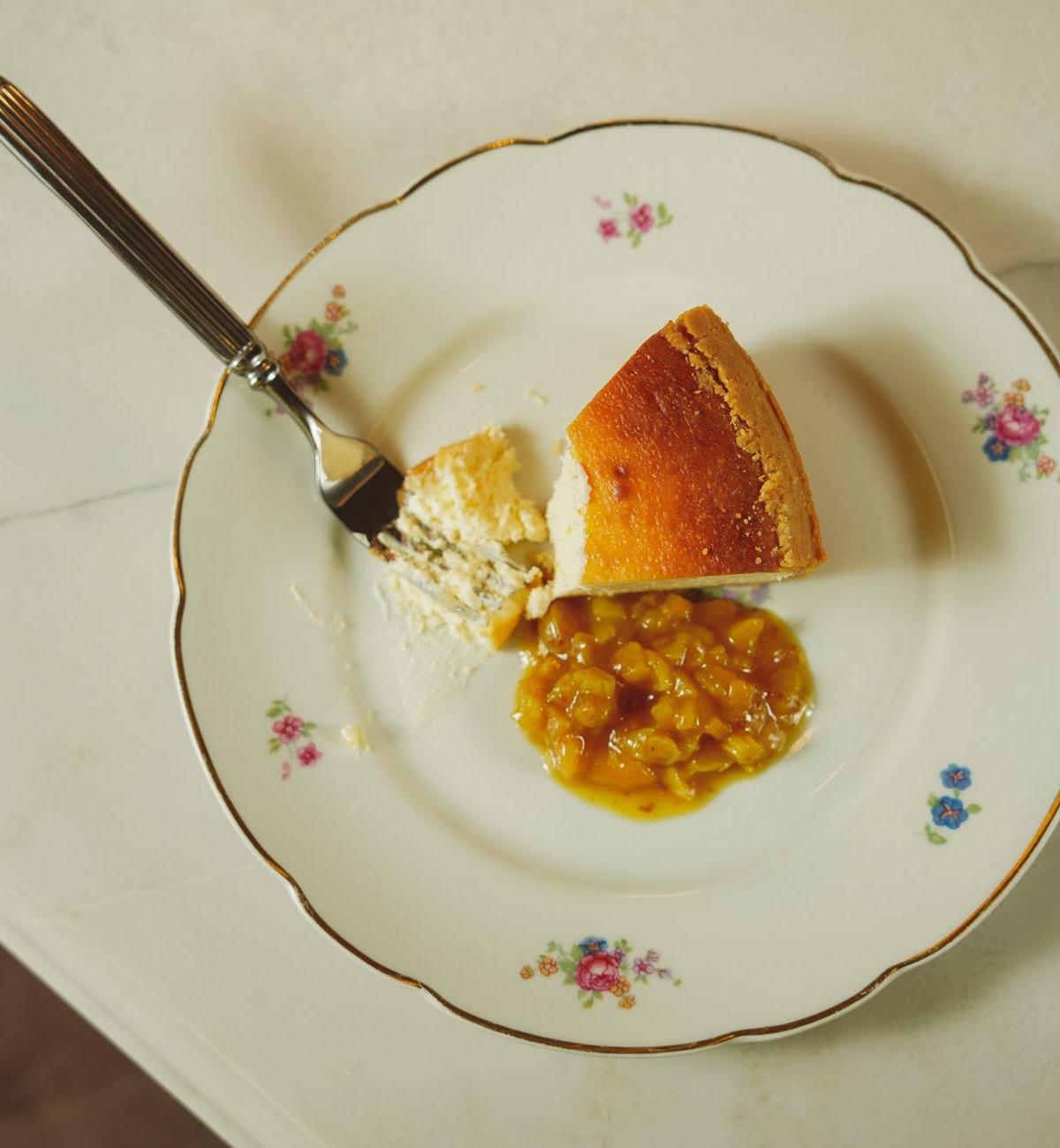
A creamy, custardy German cheesecake with a tender crumb crust and delicate quark filling. This iconic dessert is less dense than American cheesecake and naturally elegant with minimal decoration.
- Total time
- 90 min
- Servings
- 8
- Calories
- 385
- Protein
- 12g
Ingredients
- 1.5 cups all-purpose flour
- 6 tablespoons unsalted butter, softened
- 3 tablespoons granulated sugar
- 1 whole large egg yolk
- ¼ teaspoon fine sea salt
- 1.5 pounds whole milk quark (or cream cheese as substitute)
- ¾ cup granulated sugar
- 4 tablespoons unsalted butter, melted
- 4 whole large eggs, separated
- 2 tablespoons fresh lemon juice
- 1 teaspoon vanilla extract
- ⅛ teaspoon fine sea salt
- 3 tablespoons all-purpose flour
- 1 tablespoon cornstarch
- 1 tablespoon powdered sugar
Instructions
- 1
Preheat your oven to 350°F (175°C). Grease the bottom and sides of a 9-inch round springform pan with unsalted butter.
- 2
In a medium bowl, combine 1.5 cups all-purpose flour with 0.25 teaspoon fine sea salt. Set aside.
- 3
In another bowl, cream together 6 tablespoons softened unsalted butter and 3 tablespoons granulated sugar using a hand mixer or wooden spoon for about 2 minutes, until the mixture looks pale and fluffy — this incorporates air for a tender crumb.
- 4
Add 1 large egg yolk to the butter mixture and beat for another 30 seconds until fully incorporated.
- 5
Gently fold the flour mixture into the wet ingredients using a rubber spatula until just combined — do not overmix or the crust will be tough. The dough should come together into a soft, slightly crumbly ball.
- 6
Press the dough evenly into the bottom of your prepared springform pan, using your fingers or the bottom of a measuring cup to create an even, compact layer. This is your base — it should feel firm but not packed.
- 7
Bake the crust on the middle oven rack for 12-15 minutes until it turns light golden at the edges but is still pale in the center. Remove from the oven and set aside while you prepare the filling — leave the oven at 350°F.
- 8
While the crust bakes, place 1.5 pounds whole milk quark in a large mixing bowl. If you cannot find quark (a traditional German dairy product), substitute with cream cheese — if using cream cheese, let it come to room temperature for 15 minutes first, then beat it with the mixer until smooth.
- 9
Add 0.75 cup granulated sugar to the quark and beat on medium speed for 2-3 minutes until the mixture is pale, fluffy, and increases in volume by about one-third — this aerates the filling and creates the characteristic light, custardy texture.
- 10
Pour 4 tablespoons melted unsalted butter into the quark mixture and stir until incorporated.
- 11
Separate 4 large eggs, placing the yolks in one bowl and the whites in another bowl with no traces of yolk or fat. Add the 4 egg yolks, 2 tablespoons fresh lemon juice, 1 teaspoon vanilla extract, and 0.125 teaspoon fine sea salt to the quark mixture. Stir until smooth and completely combined.
- 12
Sift 3 tablespoons all-purpose flour and 1 tablespoon cornstarch together into a small bowl, then gently fold into the quark mixture using a rubber spatula until just combined — these dry ingredients prevent the filling from becoming too loose during baking.
- 13
Using a clean mixer or whisk, beat the 4 egg whites on high speed until stiff, glossy peaks form — this takes about 3-4 minutes. You should be able to turn the bowl upside down without the whites sliding. These beaten whites will keep the cheesecake light and airy.
- 14
Gently fold one-third of the beaten egg whites into the quark mixture to lighten it, then fold in the remaining whites in two additions using broad, sweeping motions with your rubber spatula. Be gentle — you want to preserve the airiness you just created. Stop folding when no white streaks remain.
- 15
Pour the filling over the par-baked crust, spreading it gently with an offset spatula until level. The filling should come to within about 0.5 inch of the rim.
- 16
Place the springform pan on a baking sheet (to catch any drips) and transfer to the middle oven rack. Bake at 350°F for 35-45 minutes. The cake is done when the top is pale golden and the center jiggles just slightly when you gently shake the pan — a 1-inch circle in the very center should wobble slightly, indicating the residual heat will continue to set it. Do not overbake or the cheesecake will crack.
- 17
Remove the cheesecake from the oven and let it cool to room temperature on a wire rack — this takes about 1 hour. As it cools, it will settle slightly and the slight jiggle will firm up. This gradual cooling prevents cracks from forming.
- 18
Once cooled completely, refrigerate the cheesecake in the springform pan for at least 6 hours, preferably overnight — chilling makes the cake easier to cut and allows the flavors to meld.
- 19
To serve, run a thin-bladed knife around the edges of the springform to loosen the cake, then gently release the springform latch and lift away the sides. Dust the top lightly with 1 tablespoon powdered sugar using a fine-mesh strainer. Slice with a thin, warm knife dipped in hot water and wiped clean between cuts for neat pieces.
Tools you’ll need
- 9-inch round springform pan
- baking sheet
- medium mixing bowls (2)
- large mixing bowl
- hand mixer or whisk
- rubber spatula
- offset spatula
- measuring cups and spoons
- sifter or fine-mesh strainer
- wire cooling rack
- instant-read thermometer (optional)
- thin-bladed knife
Cook smarter
Get matched recipes for what’s in your fridge
CookSnap is a free iOS app that finds real recipes from the ingredients you already have. No more grocery-list aspirations.



