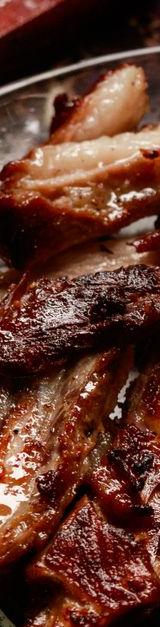
Ecuadorian Slow-Roasted Pork
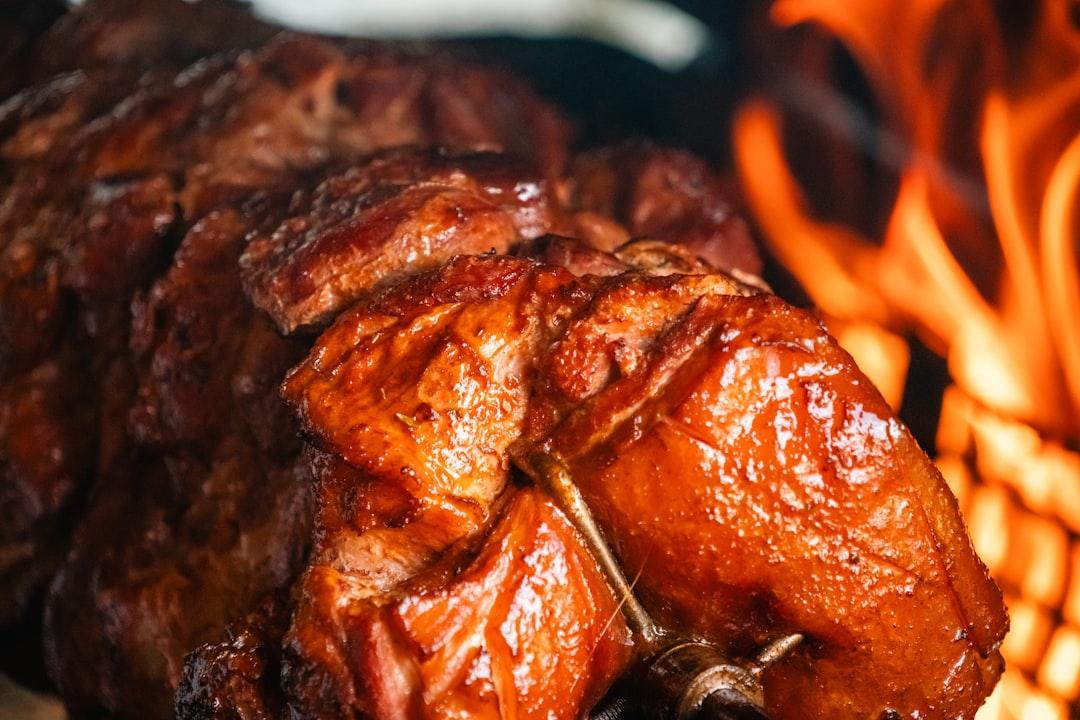
Slow-roasted pork shoulder seasoned with cumin and achiote, fall-apart tender with crispy skin. This iconic Ecuadorian dish is comfort food at its finest, perfect for feeding a crowd.
- Total time
- 360 min
- Servings
- 8
- Calories
- 720
- Protein
- 68g
Ingredients
- 6 lbs bone-in pork shoulder (skin-on)
- 2 tablespoons ground cumin
- 1 tablespoon ground achiote (annatto)
- 8 cloves garlic cloves
- ¼ cup fresh cilantro, roughly chopped
- 1 tablespoon fresh oregano (or dried oregano)
- 2 tablespoons kosher salt
- 1 teaspoon black pepper
- 3 tablespoons extra-virgin olive oil
- 2 tablespoons white vinegar
- 2 cups low-sodium chicken or pork broth
- 1 large white onion, quartered
- 1 whole orange, halved
Instructions
- 1
Remove the pork shoulder from the refrigerator 1 hour before roasting — bringing it to room temperature ensures more even cooking throughout the thick meat. Pat the skin completely dry with paper towels; dry skin is essential for developing that signature crispy, golden exterior.
- 2
Score the pork skin in a crosshatch pattern using a sharp knife, making cuts about 1/4 inch deep and 1 inch apart. This lets heat penetrate the skin and helps it crisp up as the fat beneath renders.
- 3
Peel and finely mince 8 garlic cloves. In a small bowl, combine 2 tablespoons ground cumin, 1 tablespoon ground achiote, the minced garlic, 0.25 cup fresh cilantro (roughly chopped), 1 tablespoon fresh oregano, 2 tablespoons kosher salt, and 1 teaspoon black pepper.
- 4
Rub the entire surface of the pork shoulder with 3 tablespoons extra-virgin olive oil, then coat generously with the spice paste, working it into all the crevices and scored areas. Don't be shy — this is where most of the flavor lives.
- 5
Preheat your oven to 350°F. Position a rack in the lower third of the oven — this gives the pork's underside more direct heat, which helps the skin crisp.
- 6
Place the seasoned pork skin-side up in a large roasting pan. Arrange 1 large white onion (quartered) and 1 orange (halved) around the meat — they'll flavor the braising liquid and help prevent the pan from scorching.
- 7
Pour 2 cups low-sodium chicken or pork broth into the bottom of the pan (not over the pork). Add 2 tablespoons white vinegar to the broth — the acidity helps break down the collagen in the meat and adds brightness to the pan sauce.
- 8
Roast uncovered for the first 45 minutes at 350°F to begin the browning process. The skin should start turning a deeper golden color and the fat will begin rendering. You'll smell the cumin and achiote — this is your signal that the seasoning is caramelizing.
- 9
After 45 minutes, tent the pork loosely with aluminum foil to prevent the skin from darkening too much. Continue roasting for another 4 to 4.5 hours, basting with the pan juices every 45 minutes using a baster or spoon. The meat is done when a fork inserted into the thickest part of the shoulder slides through with almost no resistance and the internal temperature reads 195°F to 205°F on an instant-read thermometer.
- 10
Remove the foil for the last 20 minutes of cooking if the skin isn't crispy enough — if you need extra color and crispness, increase the oven temperature to 425°F for these final minutes and watch closely so the skin doesn't burn.
- 11
Remove the pork from the oven and let it rest in the pan for 15 minutes before carving — during this time, the internal temperature will climb slightly and the juices will redistribute throughout the meat, keeping it moist and tender.
- 12
Carefully transfer the pork to a cutting board. Using a sharp carving knife and a meat fork for stability, slice the meat into thick pieces, breaking apart any large chunks by hand — hornado is traditionally pulled apart more than carved into thin slices.
- 13
Strain the pan juices through a fine-mesh strainer into a saucepan, discarding the onion and orange solids. Skim off any excess fat from the surface if desired, or leave it for more richness. Warm over medium heat just before serving.
- 14
Arrange the shredded and chunked pork on a large serving platter, crisping any skin pieces on top. Pour the warm pan sauce into a small bowl on the side, and serve with traditional accompaniments like white rice, fresh corn, avocado slices, and Ecuadorian hot sauce.
Tools you’ll need
- large roasting pan
- sharp knife
- small bowl
- instant-read thermometer
- meat baster or spoon
- aluminum foil
- cutting board
- meat fork
- fine-mesh strainer
- saucepan
Cook smarter
Get matched recipes for what’s in your fridge
CookSnap is a free iOS app that finds real recipes from the ingredients you already have. No more grocery-list aspirations.