Persian Slow-Cooked Lamb and Wheat Stew
Slow-cooked Persian stew of lamb, wheat, and chickpeas cooked until completely creamy and aromatic with warm spices. Rich, comforting, and deeply savory—a festive dish that rewards patience.
- Total time
- 180 min
- Servings
- 4
- Calories
- 520
- Protein
- 38g
Ingredients
- 1 lb boneless lamb shoulder, cut into 1-inch cubes
- ¾ cup whole wheat grains, rinsed
- ½ cup dried chickpeas, soaked overnight and drained
- 1 whole large yellow onion, quartered
- 3 tbsp extra-virgin olive oil
- ¾ tsp ground turmeric
- ½ tsp ground cinnamon
- 1.5 tsp sea salt
- ¼ tsp freshly cracked black pepper
- 8 cup water
- 2 tbsp ghee or butter
- ½ whole yellow onion, thinly sliced
- ¼ cup fresh flat-leaf parsley, chopped
- 1 tbsp pomegranate molasses
Instructions
- 1
Pat 1 lb of boneless lamb shoulder cubes completely dry with paper towels — removing surface moisture allows the meat to develop a flavorful brown crust rather than steam. Season the lamb generously on all sides with 0.75 tsp of sea salt and 0.25 tsp of freshly cracked black pepper.
- 2
Rinse 0.75 cup of whole wheat grains under cold water in a fine-mesh strainer until the water runs clear. Drain and set aside.
- 3
If you haven't already done so, soak 0.5 cup of dried chickpeas in cold water overnight (at least 8 hours), then drain and rinse thoroughly. This softens them and reduces cooking time.
- 4
Set a large heavy-bottomed pot (6-quart capacity) over medium-high heat and pour in 3 tbsp of extra-virgin olive oil. Let the oil heat for 1 minute until it shimmers — you should see heat waves rising from the surface.
- 5
Working in batches to avoid crowding, add the lamb cubes to the hot oil in a single layer. Let them sear undisturbed for 3-4 minutes on each side until a deep golden-brown crust forms — this is where the stew's savory flavor comes from. You should hear a gentle, consistent sizzle. Transfer each batch to a plate as it finishes.
- 6
Return all the seared lamb to the pot along with any accumulated juices. Add the quartered yellow onion, then pour in 8 cups of cold water — the liquid should just cover the meat. Stir in 0.75 tsp of ground turmeric and 0.5 tsp of ground cinnamon, stirring well to distribute the spices evenly.
- 7
Bring the liquid to a boil, then immediately reduce the heat to low. Skim off any gray foam that rises to the surface with a spoon — this is impurities and will make the stew clearer. Cover the pot with a lid, leaving it slightly ajar to allow steam to escape.
- 8
Simmer gently for 45 minutes, stirring occasionally. The lamb should be becoming tender but is not yet fully cooked. Add the drained chickpeas and the rinsed wheat grains, stirring to combine evenly.
- 9
Continue simmering uncovered for another 90-120 minutes, stirring every 15-20 minutes. As the stew cooks, the wheat and chickpeas will break down and release their starches, gradually thickening the liquid into a creamy consistency — this is the signature texture of halim. The mixture should become denser and darker in color. You'll know it's done when you can barely see through it and a spoon dragged across the bottom leaves a trail that slowly fills in.
- 10
Once the stew has reached a thick, porridge-like consistency, taste and adjust the seasoning with additional salt and pepper if needed. The flavors should be warm, slightly sweet, and deeply savory.
- 11
While the halim finishes cooking, prepare the crispy onion garnish. Set a medium skillet over medium-high heat and add 2 tbsp of ghee or butter. When it foams and is golden, add 0.5 large yellow onion, thinly sliced into rings.
- 12
Sauté the onions, stirring frequently, for 8-10 minutes until they turn deep golden brown and are crispy at the edges — they should smell sweet and caramelized. Be careful not to let them burn. Transfer to a paper towel to drain.
- 13
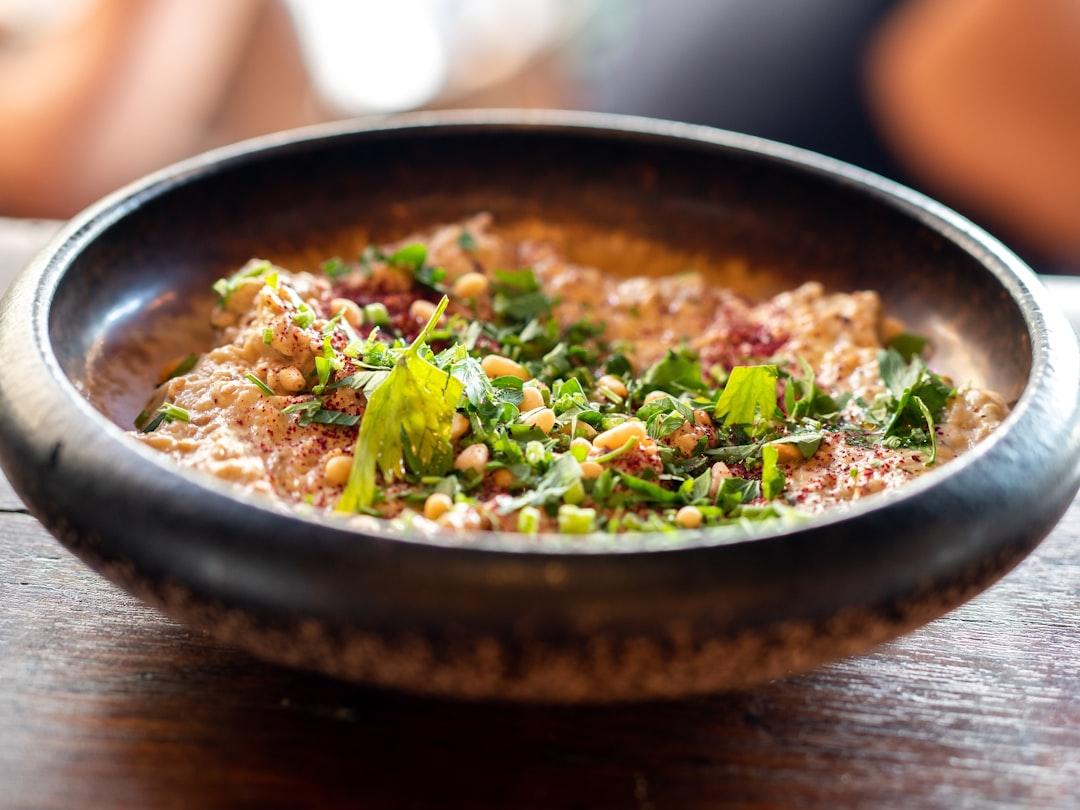
Divide the halim among four deep bowls, ladling the thick, creamy mixture generously. Top each bowl with a portion of the crispy fried onions, a small handful of freshly chopped flat-leaf parsley (about 1 tbsp per bowl), and a light drizzle of pomegranate molasses — about 0.75 tsp per serving. The molasses adds a bright, tart note that cuts through the richness.
- 14
Serve immediately while the halim is warm and the onions are still crispy. This is traditionally eaten for breakfast during Ramadan or at special festive occasions.
Tools you’ll need
- 6-quart heavy-bottomed pot with lid
- 12-inch skillet
- fine-mesh strainer
- instant-read thermometer (optional)
- wooden spoon
- slotted spoon
- paper towels
- deep serving bowls
Cook smarter
Get matched recipes for what’s in your fridge
CookSnap is a free iOS app that finds real recipes from the ingredients you already have. No more grocery-list aspirations.