Gugelhupf
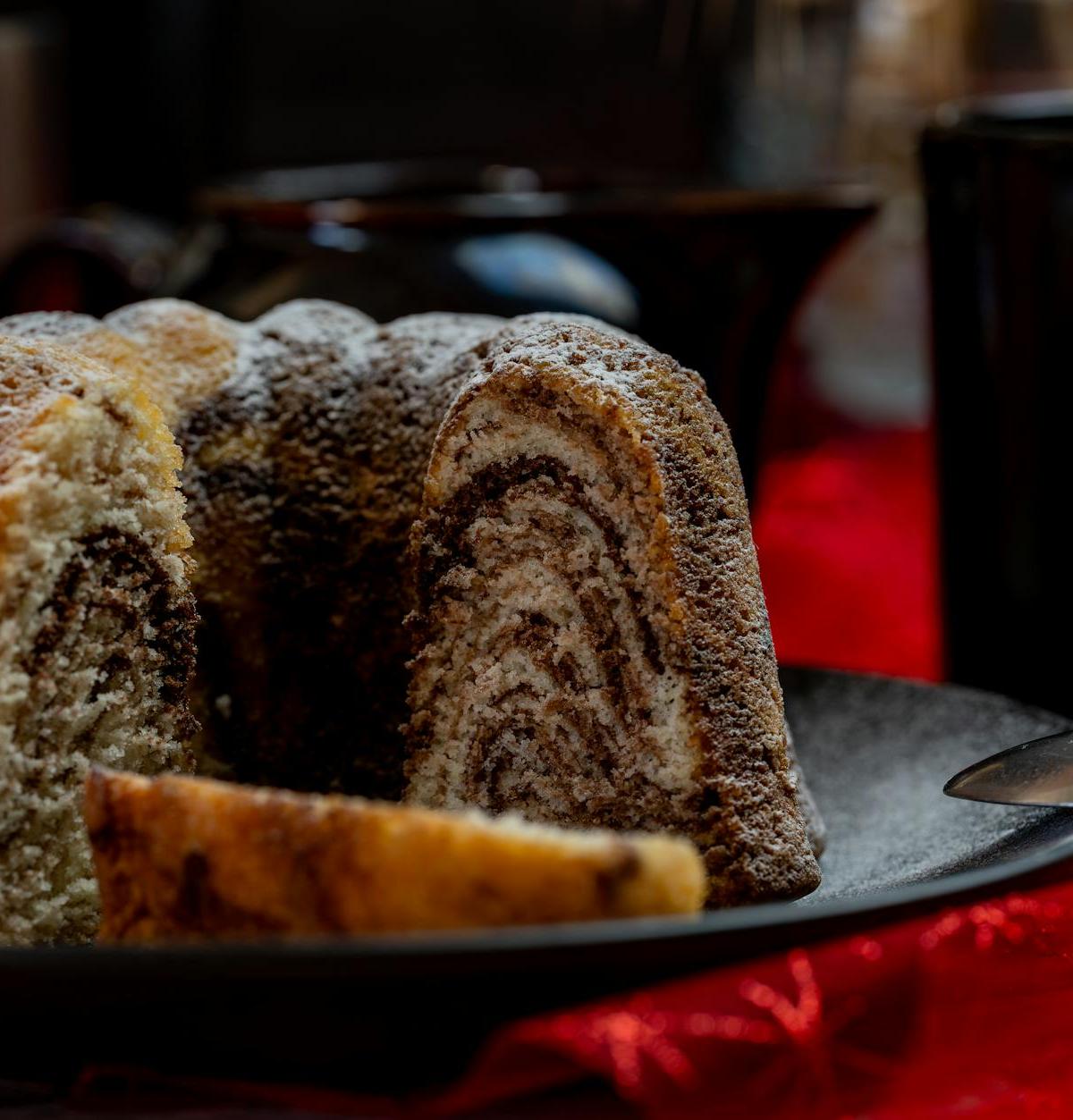
A rich, tender Austrian ring cake with a dense, moist crumb studded with raisins and nuts. This show-stopping dessert is impressive enough for guests but surprisingly approachable for home bakers.
- Total time
- 75 min
- Servings
- 12
- Calories
- 385
- Protein
- 6g
Ingredients
- ½ cup unsalted butter, room temperature
- 1 cup granulated sugar
- 4 whole large eggs, room temperature
- 2 cups all-purpose flour
- 1.5 teaspoons baking powder
- ¼ teaspoon fine sea salt
- ½ cup whole milk
- 1 teaspoon vanilla extract
- 1 tablespoon fresh lemon zest
- 1 cup dark raisins or sultanas
- ¾ cup roasted blanched almonds or hazelnuts, coarsely chopped
- 1 tablespoon unsalted butter, melted, for pan
- 2 tablespoons powdered sugar, for dusting
Instructions
- 1
Remove 4 large eggs from the refrigerator and let them sit on the counter for 20 minutes — room temperature eggs incorporate more smoothly into the butter and create a lighter, fluffier batter. While they warm, preheat your oven to 350°F and position a rack in the center. Use 1 tablespoon of melted unsalted butter to brush the entire interior of a 10-inch Gugelhupf or bundt pan, making sure to coat the fluted design thoroughly so the cake releases cleanly. Set aside.
- 2
In a small bowl, whisk together 2 cups of all-purpose flour, 1.5 teaspoons of baking powder, and 0.25 teaspoon of fine sea salt. Set aside.
- 3
Pour 1 cup of dark raisins into a small bowl and cover with 2 tablespoons of warm water — let them soak for 5 minutes to plump slightly and add moisture to the cake. Coarsely chop 0.75 cup of roasted blanched almonds or hazelnuts into pieces about the size of a pea (you don't want them too finely ground). Combine the drained raisins and nuts in a separate small bowl.
- 4
Place 0.5 cup (1 stick) of softened unsalted butter into a large mixing bowl. Using an electric mixer on medium speed, beat the butter for about 1 minute until it lightens in color and becomes creamy — this aerates the butter and helps create a tender crumb.
- 5
Add 1 cup of granulated sugar to the butter in three additions, beating on medium speed for about 3-4 minutes total after all the sugar is incorporated — the mixture should pale significantly and look like wet sand, which means you've beaten in enough air. Stop the mixer and scrape down the bowl with a rubber spatula.
- 6
Add the 4 room-temperature eggs one at a time, beating on medium speed for about 20-30 seconds after each addition. Scrape the bowl after each egg to ensure even mixing. Add 1 teaspoon of vanilla extract with the final egg. Once all eggs are incorporated, the batter will look creamy and slightly fluffy.
- 7
Finely zest 1 lemon on a microplane and measure out 1 tablespoon of fresh lemon zest — add it to the batter and beat for about 10 seconds until just combined. The lemon brightens the rich, buttery cake.
- 8
Reduce the mixer speed to low. Add half of the flour mixture and beat until just combined, about 10-15 seconds. Pour in 0.5 cup of whole milk and beat for about 10 seconds until partially incorporated. Add the remaining flour mixture and beat until just combined — do not overmix or the gluten will develop and make the cake tough. Stop the mixer and use a rubber spatula to fold the batter from the bottom of the bowl upward 2-3 times to finish combining.
- 9
Use a rubber spatula to fold in the raisin and nut mixture in two additions, folding gently just until the fruit and nuts are evenly distributed — the batter should be thick and glossy.
- 10
Pour the batter into your prepared Gugelhupf pan, using a rubber spatula to smooth the top into an even layer. Place the pan on the center rack of your preheated 350°F oven.
- 11
Bake for 45-55 minutes until a wooden skewer or cake tester inserted into the thickest part of the cake (avoiding a raisin) comes out clean or with just a few moist crumbs clinging to it. The top should be deep golden brown and springy when you gently press it with your fingertip. If the top is browning too quickly, loosely tent it with aluminum foil after 30 minutes.
- 12
Remove the pan from the oven and let the cake cool in the pan for 15 minutes — during this time, it will firm up enough to release cleanly. You should hear a gentle sizzle as the cake contracts slightly from the sides of the pan.
- 13
Place a serving plate or cake rack over the top of the pan. Working carefully, invert the pan and the plate together so the cake releases onto the plate — if it sticks, gently run a thin knife around the edges and try again. Lift off the pan to reveal the beautiful fluted pattern. Let the cake cool completely on the rack, about 1 hour.
- 14
Once cooled completely, dust the top and sides of the Gugelhupf with 2 tablespoons of powdered sugar using a fine-mesh strainer, tapping gently so the sugar falls evenly. Slice into wedges with a serrated knife using a gentle sawing motion to avoid compressing the tender crumb, and serve at room temperature. The cake keeps in an airtight container for up to 3 days.
Tools you’ll need
- 10-inch Gugelhupf or bundt pan
- measuring cups and spoons
- small mixing bowls
- large mixing bowl
- electric mixer with paddle attachment
- rubber spatula
- whisk
- instant-read oven thermometer
- wooden skewer or cake tester
- aluminum foil
- serving plate or cake rack
- fine-mesh strainer
- microplane zester
- serrated knife
Cook smarter
Get matched recipes for what’s in your fridge
CookSnap is a free iOS app that finds real recipes from the ingredients you already have. No more grocery-list aspirations.