Gravlax
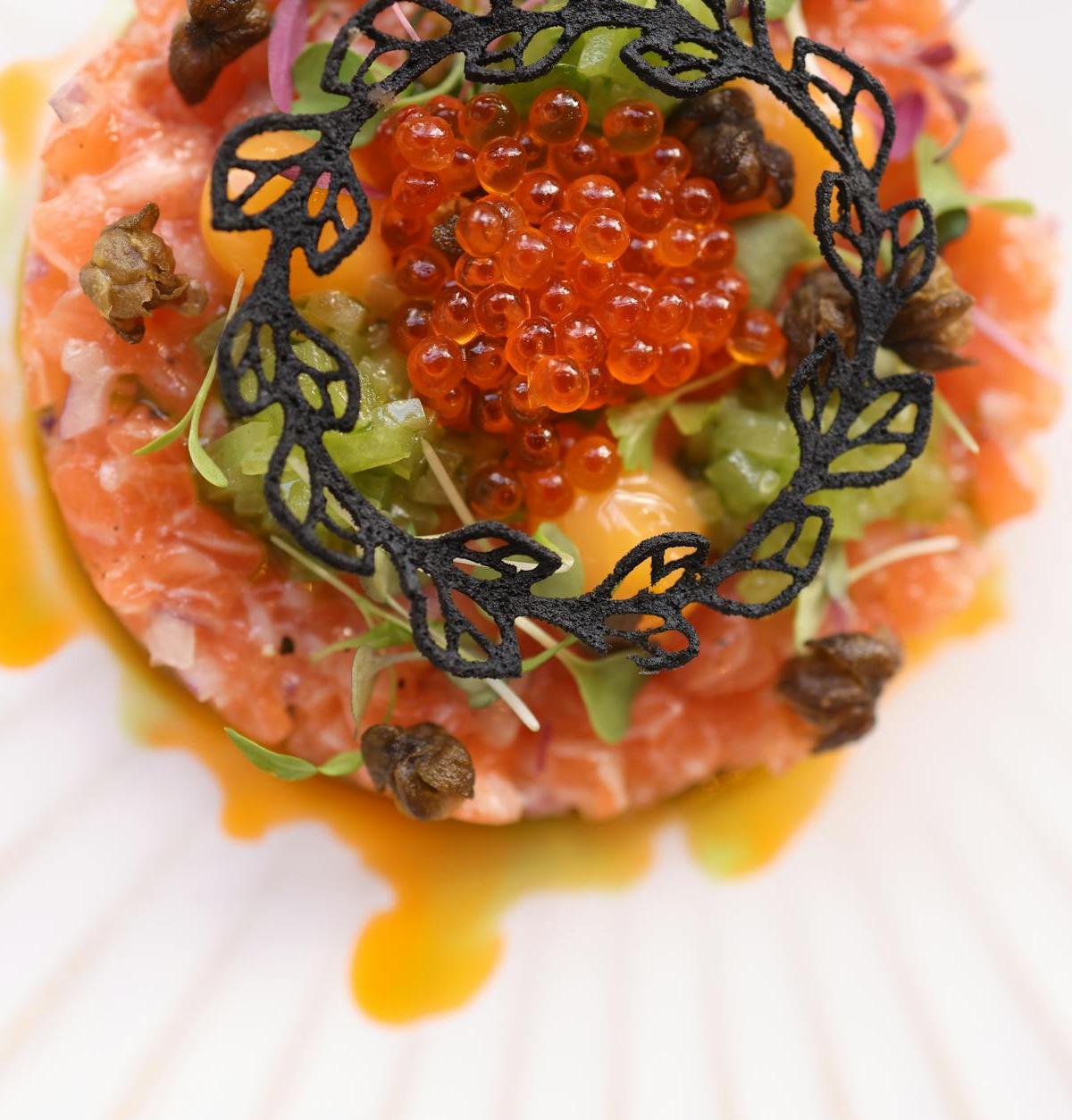
Scandinavian cured salmon with sweet and salty flavors, finished with fresh dill and citrus. This elegant appetizer requires minimal cooking but transforms salmon through a 2-3 day cure.
- Total time
- 45 min
- Servings
- 8
- Calories
- 240
- Protein
- 28g
Ingredients
- 1.5 lb skin-on salmon fillet (center cut)
- 3 tablespoons kosher salt
- 2 tablespoons granulated sugar
- 1 tablespoon whole black peppercorns
- ½ cup fresh dill
- 1 lemon lemon zest (finely grated)
- 2 tablespoons aquavit or vodka
- 8 slices pumpernickel bread or thin rye toast
- ½ cup crème fraîche or sour cream
- ¼ cup fresh dill sprigs
- 1 lemon lemon wedges
- ½ small onion thinly sliced red onion
Instructions
- 1
Check the salmon fillet for pin bones by running your fingers along the center line from the head end toward the tail. When you encounter a bone, pinch it between your fingers and pull it out at a slight angle toward the head — this prevents tearing the flesh. Remove all bones you find.
- 2
Pat the salmon completely dry with paper towels, including the skin side — moisture is the enemy of a good cure, as it will dilute the salt mixture instead of letting it penetrate the flesh evenly.
- 3
In a small bowl, combine 3 tablespoons kosher salt, 2 tablespoons granulated sugar, and 1 tablespoon whole black peppercorns that you've lightly crushed with the bottom of a heavy pan or mortar. The mixture should look like wet sand — this ratio is essential for proper osmotic curing.
- 4
Finely chop 0.5 cup fresh dill — you should have about 2 tablespoons of packed chopped dill. Grate the zest from 1 lemon on a microplane into a separate small bowl.
- 5
Find a non-reactive dish (glass, ceramic, or stainless steel — avoid aluminum or cast iron) large enough to hold the salmon fillet. Spread half of the salt-sugar-pepper mixture across the bottom of the dish, creating a bed about 1/4 inch thick.
- 6
Place the salmon fillet skin-side down onto the cure mixture. Press the flesh gently so the salt mixture makes contact with the meat. Rub the remaining salt-sugar-pepper mixture all over the exposed flesh side, pressing it firmly into every crevice and corner.
- 7
Scatter the chopped dill over the cure, then sprinkle the lemon zest on top. Pour 2 tablespoons aquavit or vodka over the salmon — the alcohol prevents mold and adds subtle flavor. The cure will draw liquid out of the salmon almost immediately.
- 8
Cover the dish tightly with plastic wrap or an upside-down plate and transfer it to the coldest part of your refrigerator (back of the shelf, not the door — maintain a temperature between 38–40°F). Set a timer for 2 days.
- 9
After 24 hours, flip the salmon fillet carefully and redistribute any liquid and cure that has accumulated on the bottom. You'll see significant liquid pooling — this is the osmotic process working. Return to the fridge for another 24 hours.
- 10
After 2–3 days total, the gravlax is ready when the flesh is firm to the touch and has turned a deeper pink. It should not feel mushy — if it's soft, it has cured long enough. Remove it from the cure and pat it gently with paper towels to remove excess liquid and cure residue.
- 11
Place the cured salmon fillet skin-side down on a cutting board. Using a very sharp, thin-bladed knife or a long slicing knife, slice the gravlax on a 30-degree angle against the grain, starting from the tail end. Angle the knife so each slice is nearly horizontal to the board — this creates long, elegant slices. Work slowly; thin slices showcase the cure and prevent fishiness.
- 12
To serve, spread a thin layer of crème fraîche or sour cream on each slice of pumpernickel or rye toast. Lay one gravlax slice on top, then garnish with a small sprig of fresh dill, a few slivers of thinly sliced red onion, and a squeeze of lemon juice. Arrange the pieces on a platter with remaining lemon wedges on the side.
- 13
Gravlax will keep in the refrigerator, wrapped tightly in plastic wrap or stored in an airtight container, for up to 5 days. The flavor actually develops and deepens over the first few days of storage, so it's perfectly fine to slice it fresh, wrap the remaining fillet, and serve it again the next day.
Tools you’ll need
- paper towels
- small bowl
- mortar and pestle or heavy pan
- microplane zester
- non-reactive dish (glass or ceramic)
- plastic wrap
- sharp thin-bladed knife or long slicing knife
- cutting board
Cook smarter
Get matched recipes for what’s in your fridge
CookSnap is a free iOS app that finds real recipes from the ingredients you already have. No more grocery-list aspirations.