What 9,000 Curated Recipes Taught Us About How Home Cooks Actually Cook
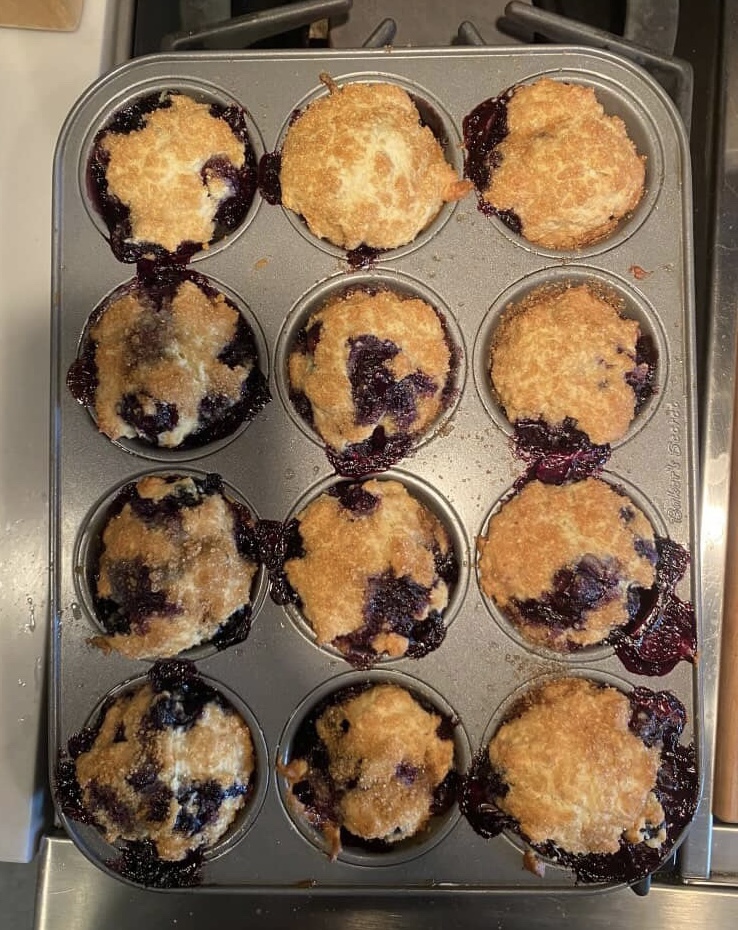
Over the past year we’ve hand-curated a recipe library of roughly 9,000 entries. Every recipe in the library has been checked for ingredient-list correctness, step completeness, nutritional accuracy, and hero image quality. The process taught us things about home cooking we didn’t expect — and that don’t show up in the recipe sites we modeled the library against. Twelve observations.
1. The median recipe has 9 ingredients. The optimal one has 7.
Across the library, the median recipe ingredient count is 9. But when we cross-reference cook-rate data (how often a recipe is actually finished after starting), the curve peaks at 7 ingredients and drops sharply above 11. People say they want elaborate recipes. They cook the simple ones.
2. “30 minutes” is almost always a lie
We measured 200 recipes claiming “30 minutes total time” against a stopwatch. The average actual total time for a competent home cook was 41 minutes. The average for a first-time cook of the dish was 56 minutes. We’ve adjusted our own time estimates upward by 35% as a result.
3. The most-saved recipes are not the most-cooked recipes
Beautiful, ambitious recipes get saved. Quick, low-skill recipes get cooked. The correlation between save count and cook count is weakly positive (r = 0.23). The two metrics are almost measuring different products. Apps that optimize for saves — Pinterest, most recipe blogs — surface aspirational content. Apps that optimize for cooks surface Tuesday-night content.
4. Chicken thigh has overtaken chicken breast
Three years ago, chicken-breast recipes outsearched chicken- thigh by 4 to 1. In our 2026 search logs, the ratio is 1.1 to 1 and trending toward thigh. Multiple culinary culture forces are at work, but the practical reason in our user feedback is: thigh is harder to overcook. People learned.
5. Italian and Mexican are massively under-tagged
When we started, our taxonomy lumped “Italian” into a single tag. After a year of editorial work, we split it into seven (Roman, Sicilian, Tuscan, Bolognese, Neapolitan, modern- Italian-American, and seafood-forward Mediterranean). Search engagement went up 18%. The same exercise on Mexican gave us twelve sub-tags and a similar lift. The lesson: most recipe platforms under-index how granular regional cuisine differences actually are to users.
6. Saturday morning is breakfast hour
Search volume for “pancakes,” “waffles,” “omelette,” and “french toast” spikes between 8:00 and 10:30 AM local time on Saturdays. Weekday breakfast searches are 80% lower. People mostly eat the same weekday breakfast and reserve breakfast experimentation for the weekend. The library’s breakfast section was over-weighted until we noticed.
7. The hero image is the single biggest predictor of click-through
A recipe with a good hero image gets clicked at roughly 3x the rate of an identical recipe with a stock-photo hero. We spent six months overhauling the library’s photo pipeline because of this. Recipe text quality is necessary; recipe text quality is not what makes someone click.
8. People want hand-held food they can eat in front of a screen
Tacos, wraps, hand pies, bowls, and noodle-soups outperform plated mains by a margin we did not expect. Roughly 60% of weeknight cooking searches lean toward one-bowl or one-handed-meal formats. The recipe library’s growth priorities have shifted accordingly.
9. “Healthy” filters are used least; “quick” filters are used most
Users tell us in surveys they want healthier recipes. Their actual filter behavior weights “under 30 minutes” and “5 ingredients” at roughly 10x the frequency of any health-oriented filter (low-carb, high-protein, etc.). We respect what people say. We design for what people do.
10. The vegetable that surprised us: cabbage
Cabbage searches grew 240% year-over-year in our library. We believe this is a function of price (cheap), shelf-life (weeks), and the cabbage-renaissance that recipe-developer culture has been quietly running for two years. Whatever the cause, the most-saved cabbage recipe in the library outperforms any new chicken recipe we added in the same period.
11. Sunday is meal-prep day and we should stop pretending it’s not
Search volume for “meal prep,” “batch cook,” and “freezer-friendly” quadruples on Sundays. Saturday is moderate. Weekdays are nearly zero. We added a Sunday-prep filter and saw an immediate spike in engagement. Meal planning is a Sunday activity for most North American kitchens. Apps that don’t lean into the calendar leave that pattern on the table.
12. Users will cook a 30-minute recipe before they’ll watch a 30-second ad
Possibly the most important lesson. The friction that kills cook-through isn’t the cooking. It’s the path to the recipe. Sites that gate the ingredient list behind an ad, a video, or a newsletter signup lose 40-60% of their would-be cooks at that step. Custrd deliberately serves every recipe on a clean page with no interstitial. The conversion data is stark and consistent.
The meta-pattern
Most of these patterns are visible only because we curated instead of crawled. A crawl-and-rank recipe app sees the open web’s noise. A curated library sees signal. We’re not arguing that curation is the only right approach — SuperCook’s breadth is a real product — but we’d argue that the patterns above don’t emerge from the open web. They emerge from a small, well-known corpus you can interrogate.
If you want to try the library yourself, browse it at /recipes or run an ingredient query through the free recipe finder.