How to Cook for One Person Without Wasting Half the Groceries
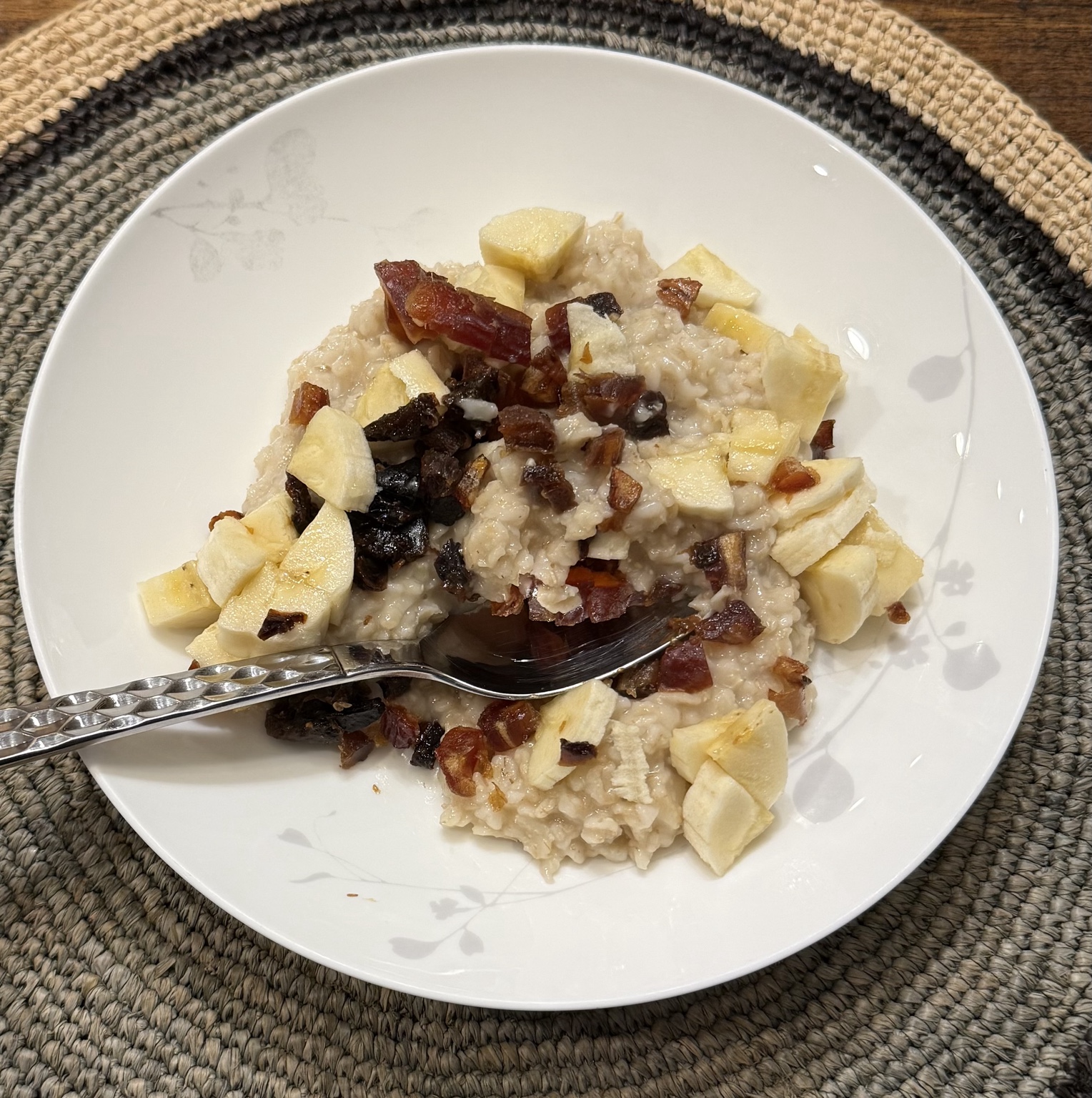
Roughly 28% of US households are single-person, and recipes are still written for four. The naive answer — just divide everything by four — doesn’t work, because ingredients don’t scale linearly. You can’t buy a quarter onion. You can’t use a quarter can of tomato paste. You absolutely cannot use a quarter head of cabbage.
Cooking for one is its own skill. Twelve habits from Custrd users who cook solo and don’t throw out half their groceries every week.
1. The protein-first rule
Build the week around one large protein cook (a whole roast chicken, a pound of ground beef, a slab of salmon) on Sunday or Monday. Three of the week’s dinners come off that protein in different shapes. The math works because protein scales better than vegetables.
2. Freeze raw, not cooked
Solo cooks throw out more cooked food than uncooked. Counterintuitive but consistent. Freeze the half-used ingredients before cooking, not the leftovers. Ground beef in flat freezer bags, diced onion in ziploc, herb stems in stock bag.
3. The half-onion problem, solved
Buy frozen diced onion. Period. The number of solo cooks who ruin their entire week trying to use up a yellow onion before it goes is enormous. Frozen onion is the unsexy solution that actually works.
4. Smaller pans, smaller portions
An 8-inch nonstick instead of a 12-inch. A small Dutch oven instead of a 7-quart. The cooking surface controls portion psychology more than the recipe does. Solo cooks who size down their pans cook less surplus by default.
5. The “eat the wilting thing” ritual
Every other day, look at the fridge. Identify whatever is about to go. That ingredient defines tonight’s dinner. Solo cooks who do this turn over their produce every five days instead of every fifteen.
6. Buy eggs, not meal kits
Meal kits are sized for two and waste-prone for one. Six eggs and a block of cheese covers four solo dinners.
7. Embrace the breakfast-for-dinner cohort
Pancakes, omelets, breakfast tacos — solo cooks who allow these as dinner cook from their kitchen more often than ones who insist on “proper” dinners. The cuisine police do not visit single apartments.
8. One canned bean a week
Canned beans are the highest-protein, lowest-waste, longest-shelf ingredient. A can of black beans + rice + lime + hot sauce is dinner in 12 minutes for one person, costs three dollars, and leaves no leftover ingredients to use up.
9. The freezer is your sous-chef
Frozen peas, frozen spinach, frozen broccoli, frozen shrimp, frozen ginger root, frozen herbs in olive-oil cubes. Every ingredient that’s reliable in frozen form gets bought frozen. Solo cooks who lean into the freezer waste 40% less produce.
10. Single-serve cookbooks beat regular cookbooks
America’s Test Kitchen has a single-serve book. So does Anna Stockwell’s “Solo.” These are written with the actual constraints in mind, not as halved versions of family recipes. Find one you trust.
11. The right-sized recipe finder
Custrd’s free recipe finder defaults to 2-4 serving recipes and shows you the serving size on every result. Filter by serving size if you want to focus on 2-serving recipes that you can eat tonight and tomorrow without making the same dish three days running.
12. Forgive the imperfect
Solo cooks who beat themselves up about waste cook less. Solo cooks who shrug and improve incrementally cook more. Throwing out a sad bunch of cilantro one week is not a moral failure; it’s information about next week’s shop.
The honest meta-rule
Cooking for one is fundamentally about making your fridge smaller and more legible. The goal isn’t to follow a recipe; it’s to know what’s in front of you and cook from it. Every habit above is in service of that.